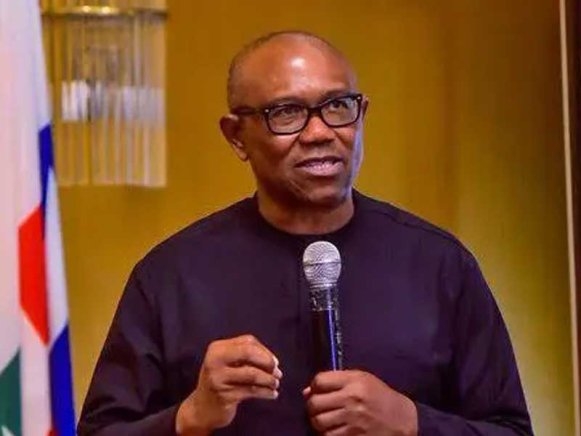
Former Anambra Governor and Nigeria Democratic Congress (NDC) chieftain, Peter Obi, has publicly explained the reasons behind his departure from both the All Progressives Grand Alliance (APGA) and the Peoples Democratic Party (PDP), emphasizing that his political choices have always been rooted in principle rather than personal gain. In a recent interview on News Central TV, Obi provided insight into his decision-making process, underscoring his commitment to integrity and ideological consistency in Nigerian politics.
Obi stated that while some politicians switch parties for personal or strategic reasons, his own transitions were driven by a deeper sense of conviction. “Some men change parties because of their principles, some others change their principles for the sake of their party,” he said. This distinction, he noted, defines the difference between genuine leadership and political opportunism. He emphasized that his actions were guided by a desire to remain true to his values, even when it meant leaving established political structures.
He clarified that his exit from APGA was not voluntary, describing it as a forced departure. “I left APGA because I was forced to leave,” Obi said, pointing to internal pressures and systemic issues that conflicted with his vision for governance. His departure from the PDP, however, was a deliberate choice based on principles. “I left PDP because of my principles,” he added, highlighting his unwillingness to compromise on core beliefs for the sake of political survival.
Obi stressed that political participation must align with one’s moral compass. “You cannot say you’re going into a destination but the process of going there has compromised your principles,” he warned. He argued that the journey toward meaningful change must be as ethical as the destination itself. This perspective reflects his broader critique of Nigerian politics, where he believes many leaders prioritize power over purpose.
His remarks come at a time when Nigeria is grappling with deep political divisions and a growing demand for ethical leadership. Obi’s narrative adds weight to the ongoing conversation about accountability and integrity in public service. As he continues to build the NDC, his focus remains on creating a political platform that upholds transparency and public trust.
The former governor’s journey underscores a broader shift in Nigerian politics, where voters increasingly seek leaders who prioritize national interest over party loyalty. His words serve as both a personal reflection and a call to action for others in public life. As Nigeria approaches critical elections, Obi’s emphasis on principle may resonate with a generation seeking change rooted in authenticity.




Leave a Comment