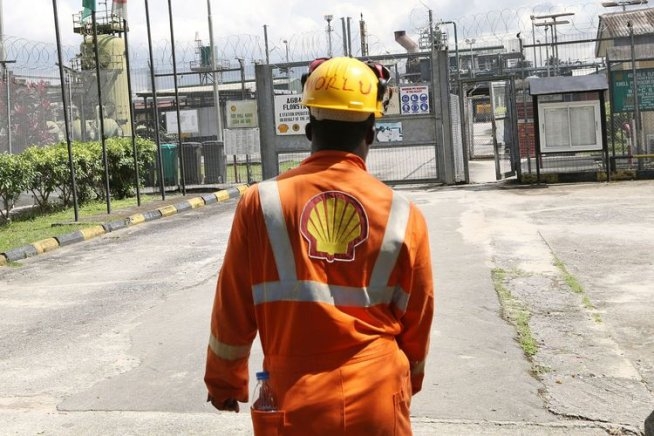
Nigeria is offering Shell and its partners a production-linked tax credit of $11.50 per barrel from the proposed Bonga Southwest Aparo deepwater project, as part of a broader effort to attract investment in one of the country’s largest undeveloped offshore oil assets. The incentive, confirmed by the Presidency in January, is designed to make the project commercially viable by allowing investors to recover part of their capital expenditure through reduced future tax payments. This does not involve an immediate cash transfer from the government, as the benefit will only materialize after capital is committed and production begins. The $11.50 credit is more than double the standard incentive under Nigeria’s petroleum fiscal system and is expected to be extended to other new deepwater projects until at least 2029.
The government has described the support as a targeted intervention tied to new capital, additional production, Nigerian participation, and domestic economic activity. President Bola Tinubu approved the gazetting of these investment-linked incentives, with his energy adviser tasked to formalize them within existing legal frameworks. The administration expects the project to reach a final investment decision during Tinubu’s first term. At the projected production level of 150,000 barrels per day, the daily value of the tax credit could reach $1.73 million, or about $630 million annually, though the actual benefit will depend on production performance, tax liability, and final terms.
For Nigeria, the strategy is to ensure that undeveloped reserves generate revenue through royalties, taxes, employment, local contracts, and foreign exchange inflows, even if the tax burden is reduced. The government must ensure the incentive leads to real investment and not just theoretical gains. The terms are restricted to new capital and production, not existing output, to avoid undermining fiscal integrity. The Nigerian National Petroleum Company estimates the project could produce 150,000 barrels of crude and 140 million standard cubic feet of gas daily, creating over 5,000 direct and indirect jobs.
This volume would represent nearly 10% of Nigeria’s total oil production in June 2026, potentially boosting national output and export revenue. The widely cited $20 billion investment figure includes both capital and operating expenditures over time, not an immediate cash injection. Shell CEO Wael Sawan has emphasized that the investment is conditional on reaching a final investment decision, which the company targets for 2027. Shell has already committed $5 billion to Bonga North and $2 billion to the HI gas project, and recently increased its stake in the wider Bonga field after acquiring part of TotalEnergies’ interest.
The existing Bonga field, which began production in 2005 and reached its one-billionth barrel in 2023, provides infrastructure and operational experience. However, Bonga Southwest Aparo still requires major new investments. Nigeria faces stiff global competition, with oil companies comparing projects based on cost, tax predictability, and regulatory speed. The tax credit aims to close the commercial gap and may set a precedent for other stalled deepwater projects. Still, transparency is crucial—publishing full terms in the government gazette would provide legal certainty and public accountability. The real test lies ahead: a formal investment decision, executed contracts, construction, and production. Until then, the $20 billion remains potential, not committed capital.



Leave a Comment