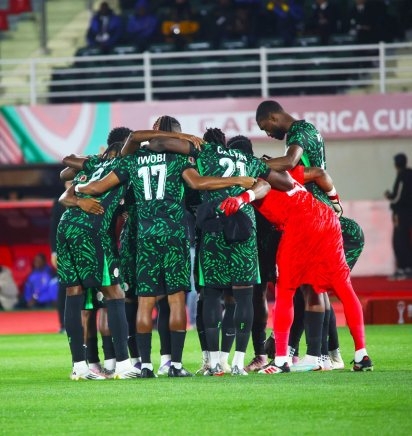
Nigeria’s failure to qualify for the 2026 FIFA World Cup was not primarily due to the Super Eagles’ strike action, according to former England international Eniola Aluko. The Lagos-born football legend, who earned over 100 caps for the Lionesses, stated that the team’s defeat to the Democratic Republic of Congo in the African playoff final was the real reason for their exclusion from the tournament. The Super Eagles had faced internal unrest just two days before their semifinal clash against Gabon, when the entire squad and officials boycotted training in Morocco over unresolved bonus and payment issues. Despite resolving the dispute before the match, Nigeria’s campaign ended in heartbreak after losing to DR Congo on penalties in the final.
Aluko, speaking on ThePlayzone podcast, emphasized that while the timing of the strike was unfortunate, it should not be used as an excuse for the team’s underperformance. “We are not going to the FIFA World Cup because we lost to DR Congo. They were not good enough on the day,” she said. She acknowledged that players should have been fully focused on the game, but maintained that the strike itself was not the root cause of the loss. “I agree we should have won, but going on strike is not the reason we lost the game,” she added. Aluko stressed that the Nigerian Football Federation must take responsibility for ensuring timely payments to prevent future disruptions.
She called on the federation and management to eliminate any conditions that might lead players to take industrial action. “My point is eliminate the chance for any player to do that, and when I say that I’m talking about the Federation and management,” Aluko said. “That’s an easy thing. Just pay people on time so they don’t have an excuse to say when they lose.” Her comments highlight the ongoing challenges facing Nigerian football, particularly around financial transparency and player welfare. The incident has reignited discussions about the need for structural reforms within the country’s football governance.
Eniola Aluko’s perspective carries weight, given her extensive experience in international football, including her time with Chelsea Women and the England national team. Her brother, Sone Aluko, also played at the international level, representing England at youth level before switching allegiance to Nigeria. As Nigeria looks ahead to future competitions, the lessons from this campaign will be critical. The focus must now shift to rebuilding trust, improving administrative practices, and ensuring that players are supported both on and off the pitch. The road to the next World Cup will require more than just talent — it will demand accountability and professionalism at every level.

Leave a Comment