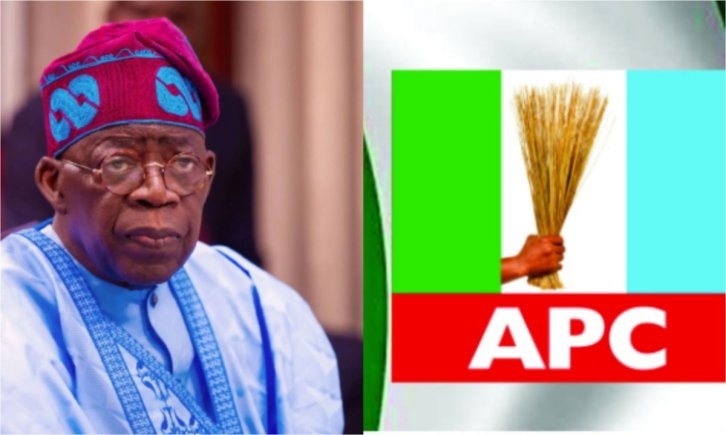
Adam Fakai, a prominent supporter of President Bola Tinubu from Kebbi State, has announced he is ceasing his efforts to promote the Federal Government’s development projects, citing lack of recognition and support from leaders of the All Progressives Congress (APC). The social media influencer, known for his consistent documentation of government infrastructure projects across Nigeria, said he spent over two years using his personal resources to highlight the achievements of the Tinubu administration. Despite his dedication, Fakai claims he received no appreciation or assistance from APC officials in Kebbi State or at the national level.
Fakai gained widespread attention on platforms like Twitter and Instagram for sharing photos, videos, and detailed reports from major road construction sites and other federal initiatives. His content often showcased the progress made under President Tinubu’s leadership, drawing both praise and criticism from different quarters of Nigerian society. He stated that his motivation stemmed from genuine belief in the administration’s vision for a better Nigeria, and he invested his time, energy, and money into spreading this message.
In a statement shared on his social media accounts, Fakai expressed disappointment over the absence of any formal acknowledgment from party leaders. “I am from Kebbi State, and throughout this period, I never received any form of encouragement or support from politicians in my party, either at the state or federal level,” he wrote. He further noted that high-profile figures at the federal level have used his captured images and videos without ever reaching out to him personally, which he found disheartening.
Fakai suggested that his geographical origin may have played a role in the neglect he experienced. He implied that if he hailed from a more politically influential state, he might have been treated differently. This perceived marginalization, he said, ultimately led to his decision to step back from promoting government programmes. While he stopped actively advocating for the administration, he remained grateful to individuals who offered him prayers and moral support during his campaign.
His departure from public advocacy marks a shift in the landscape of grassroots political promotion in Nigeria, where social media influencers play an increasingly vital role in shaping public perception. As the Tinubu administration continues its development agenda, Fakai’s experience raises questions about how the government engages with its supporters beyond the digital sphere. Moving forward, it remains to be seen whether such voices will be acknowledged or if their contributions will continue to go unnoticed.


Leave a Comment