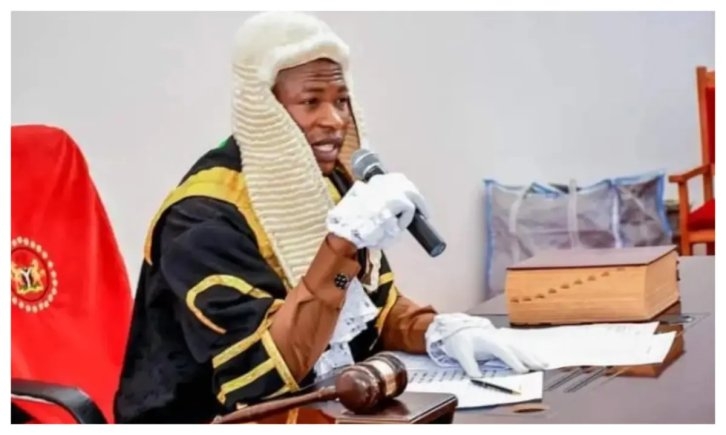
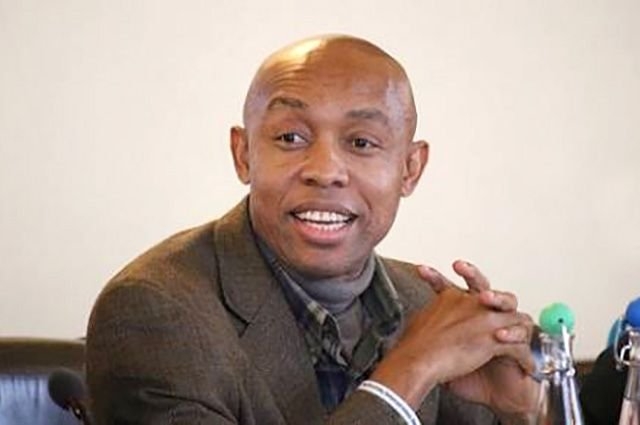
Former Speaker of the Plateau State House of Assembly and representative for Pankshin North, Rt. Hon. Dewan Gabriel, has announced his withdrawal from the Senate race for the Pankshin, Kanam, and Kanke (PKK) federal constituency on the platform of the Young Peoples Party (YPP), opting instead to contest for re-election to the State House of Assembly in the 2027 general elections. The decision, made public on Wednesday, comes after Gabriel reportedly acquired the nomination form for the Senate position, sparking speculation about his political ambitions. He cited extensive consultations with family, political stakeholders, supporters, youths, elders, and associates as key factors in his decision.
In a statement titled “Positive Impact to Humanity Phase 2, Pankshin North 2027,” Gabriel explained that his withdrawal was driven by the need to preserve unity and collective interest within the PKK zone. He emphasized that ongoing political discussions around the Senate seat, combined with the YPP’s role as an opposition party, influenced his choice. Gabriel described the move as a “sacrifice made in the interest of peace and inclusiveness,” underscoring his respect for the expressed desire of the Ngas people in Pankshin North regarding the Senate position.
The former Speaker stressed that he does not want to be perceived as an obstacle to the people’s preferred candidate for the Senate. He reaffirmed his commitment to opposing any third-term agenda in the region, a stance he has consistently maintained. Gabriel stated he remains ready to support any credible candidate who shares his opposition to tenure extension in PKK politics. His decision reflects a broader effort to maintain political harmony and ensure fair representation in the constituency.
Gabriel’s shift in focus to the State House of Assembly race signals a strategic realignment ahead of the 2027 elections. His experience as a former Speaker and his established presence in Pankshin North position him as a strong contender for re-election. The move also highlights the complex dynamics within Plateau State politics, where regional interests, party loyalty, and public sentiment often intersect. His announcement has drawn attention from political observers and local leaders who see it as a step toward consolidating support for a unified opposition front.
As the 2027 elections approach, Gabriel’s decision may influence candidate selection and party strategies in the PKK zone. His continued advocacy against third-term ambitions could shape the political discourse in the region. The announcement marks a significant development in Plateau State’s electoral landscape, with implications for both state and federal politics. This shift underscores the importance of consensus-building and inclusive leadership in Nigeria’s democratic process.

Leave a Comment