Ekiti Decides 2026: Aisha Yesufu Calls for Decriminalization of Vote Buying, Accuses EFCC of Blindness

Ekiti Decides 2026: Aisha Yesufu Calls for Decriminalization of Vote Buying, Accuses EFCC of Blindness

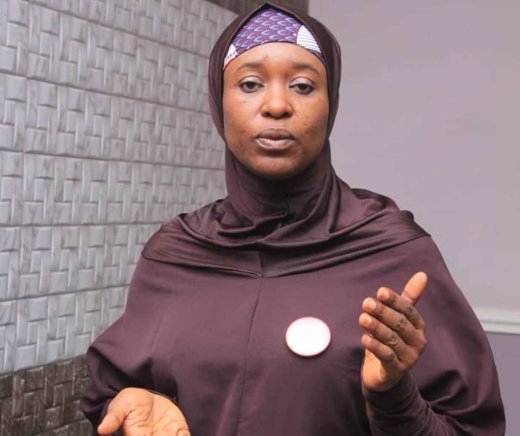
Rights activist and Nigeria Democratic Congress (NDC) chieftain, Aisha Yesufu, has accused the Economic and Financial Crimes Commission (EFCC) of turning a blind eye to vote-buying and electoral malpractices during elections in Nigeria, particularly highlighting concerns over the ongoing gubernatorial election in Ekiti State. In a series of posts on X, formerly known as Twitter, Yesufu expressed frustration over the lack of action against electoral misconduct, suggesting that the current system unfairly penalizes law-abiding citizens while those engaging in vote-buying often escape consequences. She argued that the EFCC’s enforcement mechanisms appear ineffective during election periods, describing the agency’s oversight as “blindfolded.”

Yesufu’s comments came amid growing allegations of vote-buying and money distribution in Ekiti State, where the gubernatorial election is currently underway. She contended that the practice of vote-buying should be decriminalized in Nigeria, not because it is acceptable, but because the existing legal framework fails to deter or punish offenders. “At this rate, vote buying should be decriminalized in Nigeria,” she wrote. “It does not make sense since it is those who are law-abiding that get punished for it!” Her statement underscores a deep-seated frustration with the perceived inequity in how electoral laws are enforced.

She further criticized the current electoral process, suggesting that candidates waste significant resources on campaigns that often yield little impact, while others simply buy votes to secure victory. “Instead of candidates wasting money on campaigns, let everyone wait for Election Day and bargain,” she wrote. “The highest bidder wins and you save your money. This nonsense needs to stop.” Her remarks reflect a broader critique of Nigeria’s electoral culture, where financial influence often outweighs public service and policy platforms.

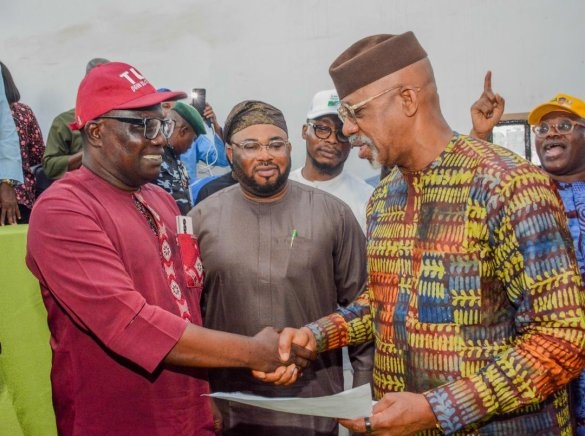
Meanwhile, the African Democratic Congress (ADC) governorship candidate in Ekiti State, Dare Bejide, has also raised alarms over electoral malpractice in his polling unit. He reported instances of vote-buying and money sharing, but noted that neither the police nor officials from the Independent National Electoral Commission (INEC) responded to his complaints. This lack of immediate intervention has fueled concerns about the credibility of the election process and the ability of electoral bodies to uphold standards.

The allegations have sparked renewed calls for transparency and accountability in Nigeria’s electoral system. As the Ekiti gubernatorial election continues, stakeholders are watching closely to see whether electoral agencies will take decisive action against malpractice or if the cycle of unaddressed violations will persist. The situation highlights the urgent need for stronger enforcement mechanisms and public trust in Nigeria’s democratic institutions.