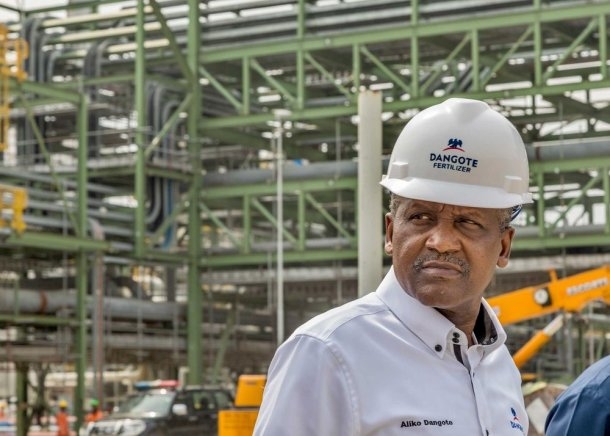
The Dangote Petroleum Refinery is nearing completion of a $2.5 billion private placement, a move that values the company at approximately $40 billion ahead of its planned public listing on the Nigerian Exchange. This significant fundraising effort, according to sources cited by BusinessDay, has drawn strong investor interest, with as much as 6 per cent of the refinery’s shares reportedly acquired. While neither Dangote Group nor the refinery has officially confirmed the figures, the transaction signals growing confidence in Nigeria’s largest industrial project and its potential to reshape the country’s energy landscape.
The reported $2.5 billion raised exceeds initial expectations, reflecting robust demand from investors eager to gain exposure to a privately controlled refinery that now plays a critical role in Nigeria’s fuel supply. The refinery, capable of processing 650,000 barrels of crude oil daily, has become a key player in both domestic and regional petroleum markets. Its strategic importance has been amplified by Nigeria’s ongoing efforts to reduce fuel imports and boost local refining capacity.
Femi Otedola, Chairman of First HoldCo, is the only major investor publicly identified in the deal. He reportedly committed $100 million to the placement, financing the investment by selling his stake in Geregu Power Plc. Additionally, Nigeria’s pension industry has been cleared to participate, potentially unlocking over $17 billion in retirement assets. This would expand the investor base beyond high-net-worth individuals and traditional institutions, although pension funds must carefully assess valuation, liquidity, and portfolio concentration risks before committing.
The $40 billion valuation reflects investor optimism about the refinery’s future earnings, not just its physical construction cost. However, operational challenges remain, including difficulties securing sufficient Nigerian crude under the government’s naira-for-crude policy. As a result, the refinery has had to source some feedstock internationally and recently shifted local product pricing to dollars to better align revenue with foreign currency expenses.
These factors will be closely scrutinized during the upcoming public offering. Prospective shareholders will demand greater transparency on crude supply contracts, debt levels, operating margins, export revenue, and regulatory relationships. It is also unclear whether the private placement involved newly issued shares, a sale by existing owners, or a mix of both — a distinction that affects whether the $2.5 billion becomes fresh capital or proceeds for selling shareholders.
The private placement serves as a valuable test of market demand and could set a benchmark for the refinery’s IPO, which may occur as early as September. Dangote has also explored attracting investors from other African markets, potentially giving the listing a regional dimension. The refinery’s successful transition to public ownership could mark a turning point for Nigeria’s industrial and financial sectors, reinforcing confidence in large-scale homegrown ventures.



Leave a Comment