
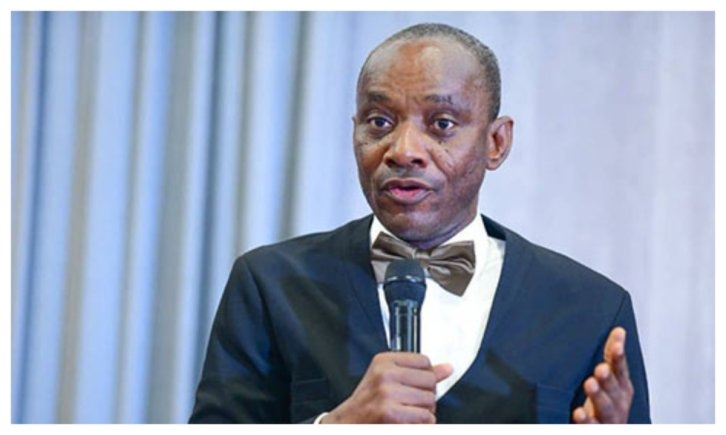
The Peoples Redemption Party (PRP) has officially explained why former presidential aspirants Peter Obi and Rabiu Kwankwaso failed to defect to the party, despite earlier speculations linking them to a potential move from the African Democratic Congress (ADC). National Chairman of the PRP, Dr. Hakeem Baba-Ahmed, disclosed during an interview with DITV Kaduna that while discussions were held, they collapsed due to disagreements over the terms of entry. The key issue, according to Baba-Ahmed, was the demand by Obi and Kwankwaso for an automatic guarantee of the party’s presidential ticket without undergoing internal competition.
Dr. Baba-Ahmed emphasized that the PRP does not entertain such political arrangements, stating that candidates must first join the party and then participate in the democratic process to vie for leadership positions. “They came and said they wanted to join the PRP, but when we sat down and discussed with them, there were certain demands they made,” he said. He further explained that the two politicians approached the party claiming they were already presidential candidates and expected to be handed the ticket without contest.
This stance, Baba-Ahmed argued, contradicts the principles of internal democracy and fair competition upheld by the PRP. “I told them: first come into the party. After joining, you can then tell me, ‘I am Obi, and I want to run for President,’ and ‘I am Kwankwaso, and I want to be his running mate’,” he said. He questioned the logic behind seeking guaranteed tickets before even becoming members, asking, “If you are truly strong contenders, then why fear competition?”
The failed negotiations have added context to the political maneuvering ahead of the 2027 general elections, as various parties continue to reposition themselves. Obi and Kwankwaso eventually chose to join the Nigeria Democratic Congress (NDC), a new political platform, rather than remain with the ADC or switch to the PRP. The PRP’s decision to uphold its internal democratic processes may influence how other parties approach candidate selection and party mergers in the coming electoral cycle.
This development underscores the importance of party structure and leadership principles in Nigeria’s evolving political landscape. As the 2027 elections draw closer, the PRP’s firm stance may serve as a model for other parties seeking to maintain transparency and fairness in candidate selection. The party’s position also highlights the challenges of political realignment in a country where personal ambitions often intersect with party ideologies.



Leave a Comment