Amaechi Reveals Why He Disagreed with Tinubu’s APC Primary Victory in 2022

Amaechi Reveals Why He Disagreed with Tinubus APC Primary Victory in 2022

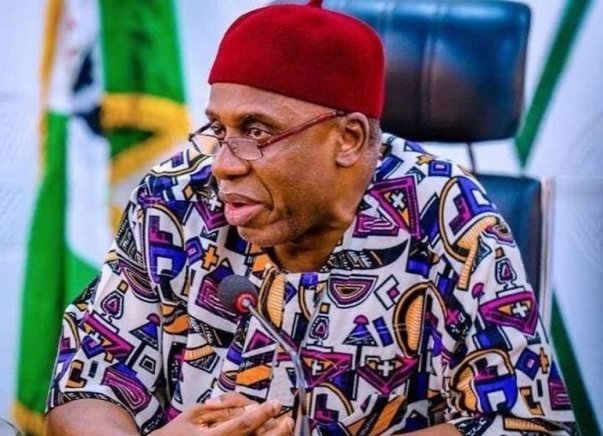
Rotimi Amaechi, a 2027 presidential aspirant and former governor of Rivers State, has expressed doubt over President Bola Tinubu’s victory in the 2022 All Progressives Congress (APC) presidential primary election. Speaking during a Friday interview with Channels Television, Amaechi, who ran against Tinubu for the party’s ticket, stated he never accepted the outcome from the outset. He emphasized that a fair and balanced political system must protect the interests of all religious and regional groups in Nigeria.

Amaechi argued that Tinubu’s leadership approach does not adequately represent the diverse religious and ethnic fabric of the nation. “On the first day, they said President Tinubu had won the APC primary; I told him I didn’t agree,” he said. He explained that every society requires balance, particularly in protecting the interests of all religious communities. “You must allow all regions and tribes to know that they belong to this country,” he added, underscoring the need for inclusive governance.

The former governor pointed out that the current administration, led by President Tinubu, has not demonstrated sufficient commitment to safeguarding the interests of all faiths. He noted that Tinubu’s presidential ticket in 2023 was a same-faith alliance, with both the president and his vice-president being Muslims. This, according to Amaechi, raises concerns about national inclusivity and equitable representation in leadership.

His remarks come amid growing political discourse on regional and religious balance in Nigeria’s governance structure. As a prominent figure in the APC and a key player in Nigerian politics, Amaechi’s views carry weight within the party and beyond. His 2022 primary contest with Tinubu was a significant moment in the party’s internal dynamics, and his continued criticism reflects ongoing tensions over leadership and representation.

Amaechi’s skepticism is not just about the 2022 primary result but also about the broader implications of the current administration’s policies and appointments. He believes that true national unity requires deliberate efforts to ensure that no region or religion feels marginalized. His call for balance resonates with many Nigerians who have long advocated for a more inclusive political system.

As Nigeria prepares for the 2027 general elections, Amaechi’s position adds to the growing debate on leadership, representation, and national cohesion. His comments may influence voter sentiment and party dynamics in the coming years, especially as he positions himself as a credible alternative to the current administration.