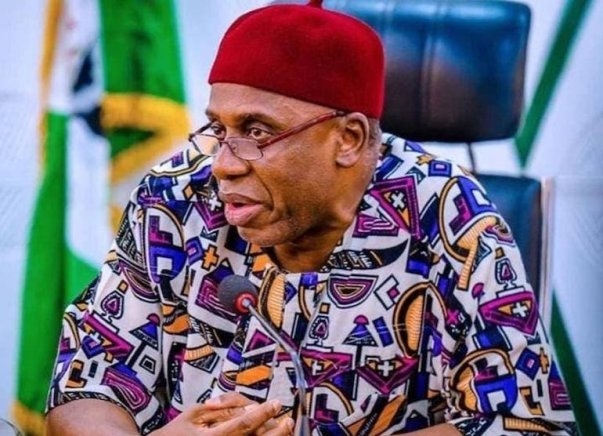
Former Minister of Transportation and African Democratic Congress (ADC) vice presidential candidate, Rotimi Amaechi, has claimed that only a small fraction of Nigerians are reaping the benefits of the country’s independence, while the majority, especially the poor, continue to endure hardship. Speaking on Channels Television’s Politics Today programme on Friday, Amaechi criticized the current administration of President Bola Tinubu, asserting that economic conditions have deteriorated under his leadership.
Amaechi argued that the so-called independence enjoyed by Nigeria is largely symbolic for the average citizen, with real gains confined to a privileged few. He stated that the poor are bearing the brunt of rising inflation, unemployment, and dwindling purchasing power, which have intensified since Tinubu assumed office. According to him, the government’s policies have failed to address the needs of the masses, leaving them trapped in cycles of poverty and insecurity.
In his remarks, Amaechi expressed skepticism about whether even the wealthy class is truly benefiting from the present administration. He emphasized that only a narrow group of individuals—likely connected to those in power—are profiting from state resources and policy decisions. “I doubt that even the rich is benefiting,” he said. “It just a group of persons that are just benefitting from this government.”
His comments come amid growing public discontent over the cost of living crisis, fuel scarcity, and declining public services across Nigeria. Many citizens have taken to social media and street protests to voice frustration over the economic hardships they face daily. Amaechi’s critique adds to a broader national conversation about governance, equity, and accountability in the management of national resources.
As a former transportation minister and prominent political figure, Amaechi’s statements carry weight in Nigerian political discourse. His criticism of the Tinubu administration highlights deepening concerns about economic mismanagement and unequal distribution of wealth. While his party, the ADC, remains a smaller player in the national political landscape, his voice reflects sentiments shared by many who feel left behind by current leadership.
The upcoming elections will likely see such issues at the forefront of voter consideration. Amaechi’s message underscores a demand for inclusive development and transparent governance. As Nigeria approaches another critical phase in its democratic journey, the question of who truly benefits from independence remains central to the national debate.



Leave a Comment