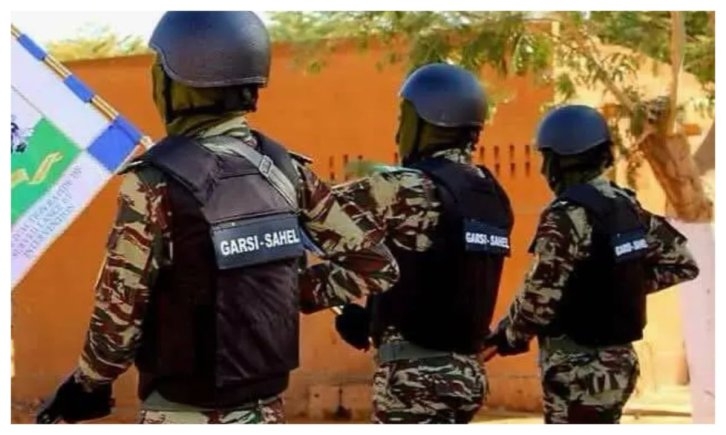
At least 57 members of Niger’s defence and security forces were killed in two separate attacks on September 23, 2026, according to security analyst Zagazola Makama. The deadly assaults occurred in Dabagu, Konni Department of Tahoua Region, and around Abala-Filingué in Tillabéri Region. Islamic State militants are believed to be behind both attacks, which have intensified concerns over rising insecurity in the Sahel region. The incidents mark one of the deadliest single-day tolls for Nigerien security personnel in recent years.
In Dabagu, 38 soldiers from the Nigerien Armed Forces lost their lives after militants launched a coordinated attack on a military outpost. The assault reportedly caught the troops off guard, leading to heavy casualties. Several soldiers remain missing following the violence, raising fears that more lives may be lost or taken captive. Some of the bodies recovered from the site were transported by road to Tahoua, while others were evacuated by helicopter to Niamey for medical examination and identification.
The second attack took place near Abala-Filingué in Tillabéri Region, where 19 gendarmes were killed during an ambush by suspected Islamic State operatives. This area has become a hotspot for extremist activity due to its proximity to Mali and Burkina Faso, regions also plagued by insurgency. Like in Dabagu, multiple gendarmes are unaccounted for, and the exact circumstances surrounding the attack are still under investigation. Makama confirmed that the combined death toll from both locations stands at 57, underscoring the severity of the threat facing Niger’s security forces.
These attacks come amid escalating violence across Niger’s northern and western borders, where armed groups linked to Islamic State and al-Qaeda have been expanding their operations. The government has struggled to maintain control as resources stretch thin and recruitment challenges persist. Military bases and checkpoints continue to be prime targets, with insurgents using hit-and-run tactics and improvised explosive devices to maximize damage.
Security experts warn that without sustained international support and improved intelligence sharing, such attacks may become more frequent. The Nigerian military, which shares a border with Niger, has expressed concern over potential spillover effects. Regional cooperation through organizations like ECOWAS and the G5 Sahel is seen as crucial to stabilizing the situation.
As Niger grapples with this surge in violence, the focus remains on protecting remaining troops and securing vulnerable areas. The attacks serve as a stark reminder of the ongoing instability in the Sahel and the urgent need for long-term solutions to counter terrorism and build resilient communities.

Leave a Comment