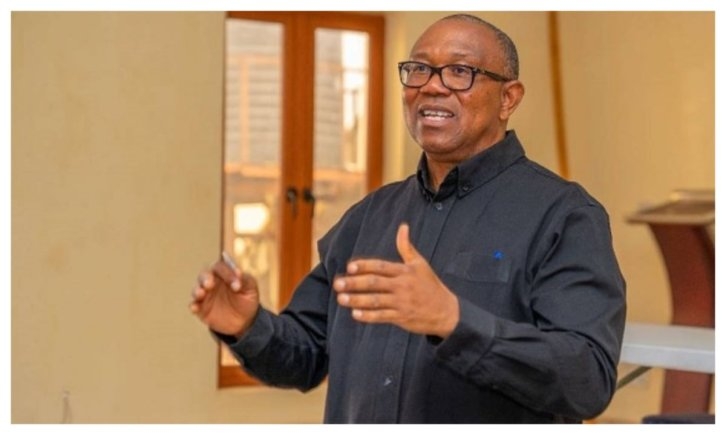
The Presidency has challenged Peter Obi, presidential candidate of the Nigeria Democratic Congress (NDC), to quit the 2027 election race amid growing controversy over alleged debts left behind during his tenure as governor of Anambra State. In a statement issued on Wednesday, Bayo Onanuga, Special Adviser to President Bola Tinubu on Information and Strategy, directly questioned Obi’s claim that he departed office without any financial liabilities. Onanuga highlighted that Obi had publicly vowed to withdraw from the presidential race if evidence emerged contradicting his assertion of leaving Anambra with a clean debt record.
Onanuga stated that the Anambra State government has now presented documented evidence challenging Obi’s claims. According to the Presidency, records show outstanding obligations including unpaid salaries, gratuities, pensions for teachers and workers, and loans taken for what were described as “frivolous” purposes. The official noted that these findings place the burden back on Obi to either substantiate his position or honor his threat to exit the race. This development intensifies the political debate surrounding Obi’s governance record and its implications for his national campaign.
The Anambra State government responded to Obi’s earlier denial through a formal statement by Law Mefor, Commissioner for Information and Value Reformation. Mefor detailed specific financial issues allegedly inherited by the current administration, including a N2 billion ecological fund debt, contractor liabilities, and arrears owed to civil servants. These figures have been presented as factual records to counter Obi’s narrative of fiscal responsibility during his time in office. The release of these documents marks a significant escalation in the public scrutiny of Obi’s leadership and financial stewardship.
This dispute comes at a crucial moment in Nigeria’s political calendar, as candidates begin to solidify their platforms ahead of the 2027 general elections. The Presidency’s direct challenge adds a new layer of pressure on Obi, who has positioned himself as a reformist candidate with strong economic credentials. Critics argue that unresolved state debts undermine his credibility, while supporters maintain that administrative transitions often involve complex financial reconciliations. Regardless of perspective, the matter has sparked widespread discussion across media and social platforms.
As the 2027 race approaches, this controversy may influence voter perception and campaign strategies across parties. The outcome of this debate could shape how Nigerians view leadership accountability and transparency in governance. The public now awaits Obi’s response to the allegations and whether he will uphold his earlier promise to step aside if proven wrong.



Leave a Comment