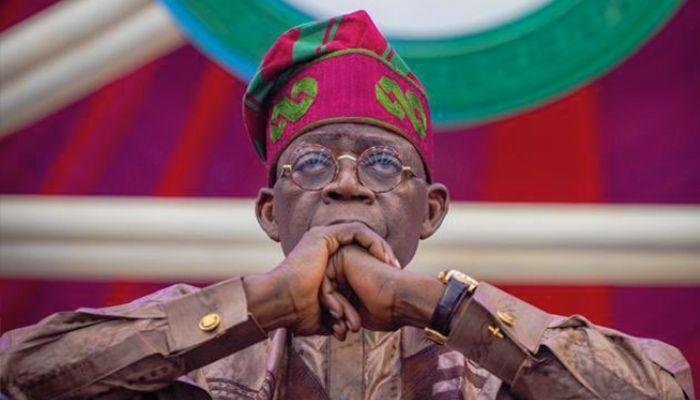
As Nigerians prepare for the 2027 presidential election, mounting criticism is being directed at President Bola Tinubu’s administration over its failure to deliver on key promises made during the 2023 campaign. The Renewed Hope Agenda, which promised economic revival, job creation, improved electricity supply, and enhanced security, is now under intense scrutiny as opposition figures and citizens alike argue that the policies have deepened hardship across the country.
Tinubu, who took office in May 2023, had pledged to tackle insecurity, create millions of jobs, ensure constant electricity, and reduce poverty through an eight-point agenda outlined in his 80-page manifesto. He vowed to build a Nigeria where youth could thrive with decent employment and access to affordable power. Yet, despite claims from the government about progress in infrastructure and investment, many Nigerians remain unconvinced.
The removal of fuel subsidy and the floating of the naira have been particularly controversial, with critics blaming these policies for soaring inflation and widespread suffering. According to the IMF’s 2026 Article IV consultation, national poverty has risen to 63%, while unemployment remains a critical issue. Although the National Bureau of Statistics reports a slight drop in unemployment from 5.3% in late 2022 to between 4.3% and 4.9% in 2026, opposition parties insist the numbers do not reflect real improvement on the ground.
Electricity remains a major concern. While grid failures have decreased compared to previous administrations, many communities still face prolonged blackouts. Tinubu’s promise that Nigerians would not pay estimated bills and would have constant power — with a vow not to seek re-election if he failed — has not been fulfilled, according to residents who continue to rely on generators and solar power.
Security has also deteriorated. In 2025 alone, at least 750 people were killed by terrorists, and over 12,365 kidnapping incidents have occurred since Tinubu assumed office. Nigeria was recently ranked fourth worst globally for terrorism impact. Nine mass abductions have been recorded, including the kidnapping of 551 schoolchildren and staff, further eroding public confidence.
Political figures like Leader Sampson, former ADC Chairman in Rivers State, accuse the administration of enriching officials while impoverishing citizens. “They made Nigerians poor and enriched themselves,” he stated, citing the immediate rise in fuel prices after subsidy removal as the start of the crisis. He warned that voters will hold Tinubu accountable, echoing his own words: “If I don’t keep the promise, don’t vote for me.”
Businessman Prince Isaac Fayose added that subsidies were redirected to benefit the elite, not the poor. “They removed subsidy from the poor and gave it to the rich,” he said, criticizing cash transfers of only N5,000 as insufficient to lift people out of poverty.
Despite this, Finance Minister Taiwo Oyedele highlighted Moody’s recent upgrade of Nigeria’s credit outlook from ‘stable’ to ‘positive’ as validation of the administration’s reforms. He said the government aims to achieve investment-grade status, signaling long-term economic potential.
As the 2027 election approaches, the debate over whether Tinubu’s promises were genuine or merely political rhetoric will shape voter decisions, with many Nigerians demanding accountability and tangible results before casting their ballots.

Leave a Comment