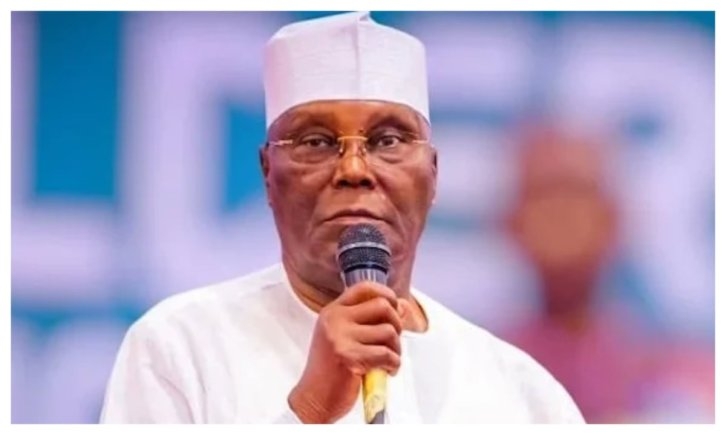
Atiku Abubakar, presidential candidate of the African Democratic Congress (ADC), has declared that he will make life more affordable for Nigerians, directly challenging President Bola Tinubu’s economic policies which he says have made living costs soar. Speaking on Sunday, Atiku urged citizens to reject Tinubu’s administration, arguing that its economic decisions have worsened hardship across the country. He emphasized that Nigerians are now experiencing the real impact of these policies in their daily lives, from rising fuel and food prices to increased transport costs and shrinking business opportunities.
In a statement released by his Senior Special Assistant on Public Communication, Phrank Shaibu, Atiku stated that Tinubu’s approach has weakened local businesses and left households financially strained. “Nigerians have now seen what Tinubu’s economics means in their daily lives: higher fuel prices, higher food prices, higher transport costs, weaker businesses and emptier pockets,” Atiku said. He added that the people no longer need lectures on patience but instead require immediate relief from the current economic burden.
Atiku presented a clear alternative to Tinubu’s governance, calling for an economy that prioritizes production, local refining, job creation, and reduced cost of living. “The choice before Nigeria is therefore clear: continue with an economy that takes more from the people, or build one that puts money back in their pockets,” he asserted. He stressed the importance of supporting domestic industries and reducing reliance on imported goods to ease pressure on household budgets.
He further called on Nigerians to reject a government that has made life harder and embrace a plan that restores affordability. “Enough of empty pockets. Enough of endless hardship,” Atiku declared. “Nigeria must produce more, Nigerians must pay less, and families must have money left to live.” His campaign message centers on economic empowerment through self-reliance and inclusive growth.
Atiku’s remarks come amid growing public dissatisfaction over inflation, currency depreciation, and unemployment under the current administration. While Tinubu’s reforms aim to liberalize the economy, critics argue they have disproportionately affected low-income earners. Atiku’s promise to lower the cost of living resonates with many Nigerians who feel the pinch of rising expenses.
As the 2027 general elections approach, Atiku’s campaign is positioning itself as a direct response to perceived economic mismanagement. His pledge to make life affordable again underscores a key issue in Nigeria’s political landscape — how to balance economic reform with social welfare. The upcoming election may hinge on which candidate offers a more viable path to economic stability and improved living standards for ordinary Nigerians.


Leave a Comment