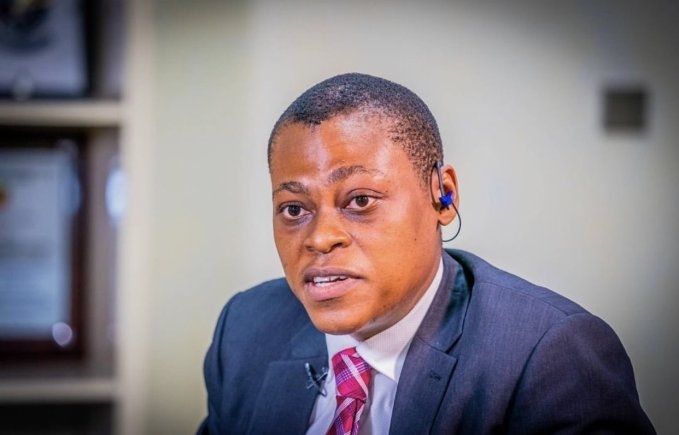
Nigerian media personality and Arise News anchor Rufai Oseni has strongly criticized Primate Elijah Ayodele, the leader of INRI Evangelical Spiritual Church, for urging President Bola Tinubu to halt the release of Federal Bureau of Investigation (FBI) documents related to his alleged past involvement in drug trafficking. Speaking on Arise Television’s Morning Show on Tuesday, Oseni questioned the moral authority and role of a religious leader who advises national figures to conceal their legal histories, especially when such matters involve public trust and national integrity.
Oseni emphasized that transparency is essential in leadership, particularly in a country like Nigeria where governance and accountability are under constant scrutiny. He pointed out that if a president’s past legal issues are hidden, it could invite international criticism and damage Nigeria’s global image. “Which kind of shepherd tells people to hide their past when it concerns a nation?” he asked, highlighting the contradiction between spiritual guidance and ethical responsibility.
The anchor further challenged the credibility of Primate Ayodele, referencing his previous statements and actions. “With what Primate Ayodele has said in the past, can you make him shepherd over your life? Can you make him speak words into your life?” Oseni questioned, suggesting that the church leader’s advice may not align with principles of honesty and accountability expected from spiritual leaders.
Oseni stressed that Nigeria’s reputation depends on how its leaders handle sensitive issues, especially those involving foreign investigations. He warned that if President Tinubu were to suppress the FBI documents, it could be perceived as an attempt to avoid scrutiny, which might lead to negative perceptions about the country’s commitment to transparency. “Is that what a shepherd is?” he asked rhetorically, underscoring the expectation that religious leaders should promote truth, not silence.
The controversy has sparked widespread debate across social media and news platforms, with many Nigerians weighing in on the ethics of public figures concealing their pasts. While some support the call for privacy, others echo Oseni’s concern that national leaders must be held to higher standards of openness.
As the debate continues, the issue remains a focal point in discussions about leadership, morality, and national identity in Nigeria. The release or withholding of the FBI documents could have lasting implications for public trust in government institutions.


Leave a Comment