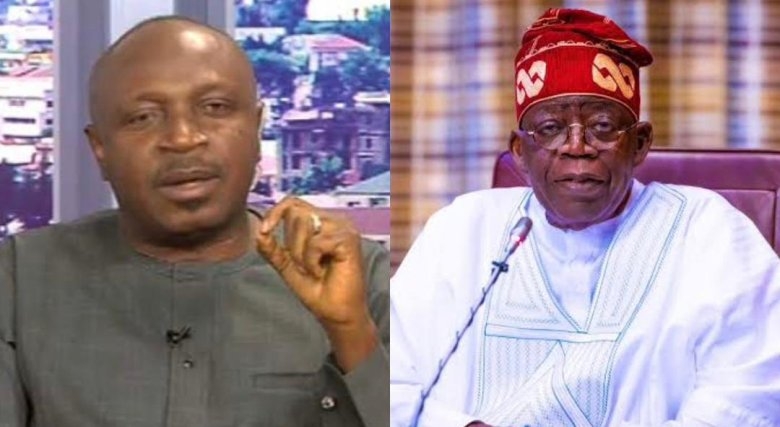
Peter Obi’s chances of finishing second in the 2027 presidential election are being questioned by Bashir Ahmad, a former presidential media aide, who warned members of the Obidient Movement against holding onto what he calls “delusional” expectations. Speaking on Saturday via X, Ahmad emphasized that political sentiment and online enthusiasm do not equate to electoral reality, urging supporters to consider structural and regional factors that shape Nigeria’s elections. He stressed that believing Obi is guaranteed a second-place finish reflects a misunderstanding of current political dynamics.
Ahmad, who served as media aide to the late President Muhammadu Buhari, pointed out that the 2023 presidential election saw Peter Obi emerge in third place, behind Atiku Abubakar of the Peoples Democratic Party (PDP) and President Bola Tinubu of the All Progressives Congress (APC). This result, according to Ahmad, should serve as a cautionary example for those assuming Obi’s position in future elections is secure. He argued that electoral outcomes depend heavily on party structures, voter distribution across regions, and strategic alliances—elements that cannot be ignored in favour of emotional support.
The Obidient Movement, which has grown significantly since Obi’s 2023 campaign, continues to mobilize support for the former Anambra State governor. However, Ahmad cautioned that this grassroots energy must be matched with realistic political analysis. He noted that while public interest in Obi remains high, especially among youth and urban voters, the Nigerian electoral landscape is influenced by complex calculations beyond popularity or social media traction.
In his post, Ahmad reiterated that “sentiment and online enthusiasm are not substitutes for a serious assessment of the numbers, structures, regional calculations and electoral realities.” He urged movement members to engage in deeper political discourse rather than relying on optimism alone. His comments come amid growing speculation about the 2027 election, where several parties are expected to field candidates, including the Nigerian Democratic Congress (NDC), which officially nominated Obi as its standard-bearer.
As Nigeria prepares for another critical election cycle, Ahmad’s remarks highlight the need for strategic planning and grounded expectations within opposition circles. The 2027 race will likely see intense competition, and any candidate’s success will hinge on coalition-building, resource mobilization, and broad-based appeal. For now, Obi’s supporters are reminded that past performance does not guarantee future results, and political progress requires more than just passionate backing.


Leave a Comment