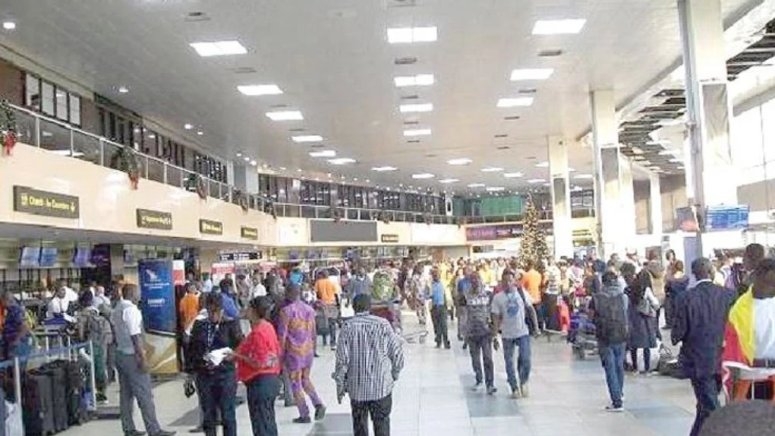
Thirty-six Nigerians have been deported from four European countries in a coordinated operation that saw 41 individuals flown to Nigeria and Ghana. The deportees were removed from Austria, Germany, Luxembourg, and Hungary between Wednesday night and Thursday morning, according to Austrian news outlet Heute.at. A charter flight carried the group, with Lagos, Nigeria, and Accra, Ghana, as their final destinations. Germany led the joint deportation effort, with support from Austria, Luxembourg, and Hungary.
Of the 36 Nigerians deported, 29 were removed from Germany, three from Austria, two from Luxembourg, and one from Hungary. The flight from Germany included 35 deportees in total — 29 Nigerians, five Ghanaians, and one Gambian. One of the Nigerians deported from Austria had previously been convicted of drug-related offences, highlighting the focus on criminal offenders in the operation. Authorities in Austria emphasized that illegal residents and those with criminal records are key targets in their deportation strategy.
Austria’s Interior Minister, Gerhard Karner, reaffirmed the government’s commitment to enforcing strict immigration policies. He stated that the country has removed more illegal residents and criminal offenders in the first half of the year than ever before. “The negative net migration is being continued through a consistent deportation policy,” Karner said. “We will continue on this necessary path undeterred.” His comments reflect a broader European trend toward stricter border controls and increased removals of undocumented migrants.
The operation underscores growing cooperation among European nations to manage irregular migration and uphold national security standards. While the exact legal grounds for each deportation were not disclosed, the inclusion of individuals with criminal convictions suggests that public safety remains a central concern. Nigeria and Ghana have received similar deportees in recent years, often under bilateral agreements or coordinated EU efforts.
This latest round of deportations adds to the ongoing debate about migration, asylum, and return policies across Europe. For many Nigerians, the journey back home may bring challenges related to reintegration, employment, and social support. However, the operation also signals a firm stance by European governments on maintaining legal immigration frameworks.
As countries continue to strengthen their borders, Nigeria and other receiving nations will need to prepare for the influx of returning citizens. The situation highlights the complex realities of international migration and the importance of coordinated regional responses.





Leave a Comment