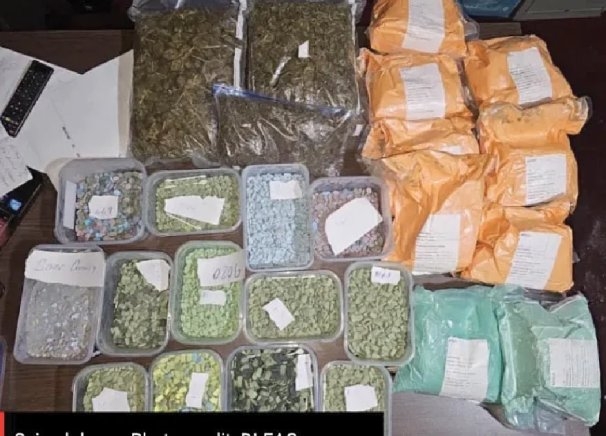
A 53-year-old Nigerian man, Celestine Godwin, has been arrested in The Gambia by the Drug Law Enforcement Agency (DLEAG) for allegedly trafficking 9,020 ecstasy tablets and possessing suspected equipment for manufacturing illicit drugs. The arrest took place on August 24, 2026, and marks the first recorded seizure of synthetic drugs and drug-making paraphernalia in the country’s history. According to a statement released on Facebook by DLEAG spokesperson Dawda Sanyang, the suspect was also found in possession of quantities of cannabis ruderalis, commonly known as skunk.
The discovery has raised serious concerns among law enforcement officials about the potential emergence of clandestine drug laboratories within The Gambia. Authorities believe this case reflects a shift in drug trafficking patterns, with increasing efforts to establish local production facilities for synthetic substances. This development underscores the growing sophistication of drug networks operating across West Africa, including Nigeria, which remains a key transit point for narcotics moving into and through the region.
Godwin is currently held in custody while investigators work to trace any accomplices or larger criminal networks involved in the operation. DLEAG emphasized that its operations are not limited to intercepting imported drugs but also include preventing the establishment of domestic drug manufacturing hubs. The agency stressed its commitment to dismantling such threats to public health and national security.
The seizure includes not only the large quantity of ecstasy tablets but also materials suspected to be used in the production of synthetic drugs. These findings suggest that traffickers may be attempting to bypass traditional smuggling routes by producing drugs locally, making detection more challenging. Experts warn that such activities could lead to increased availability and abuse of synthetic narcotics in The Gambia and neighboring countries.
This incident highlights the need for stronger regional cooperation in combating transnational drug trafficking. Nigeria, being a major player in the drug trade both as a source and transit country, must remain vigilant. The Gambia’s successful interception serves as a reminder that even smaller nations are increasingly becoming targets for drug syndicates seeking new markets and production zones.
As investigations continue, authorities are urging the public to report any suspicious activities related to drug trafficking or manufacturing. The case is expected to influence future anti-drug policies and inter-agency collaboration in West Africa. With the threat evolving, governments must adapt their strategies to address both imported and locally produced narcotics.




Leave a Comment