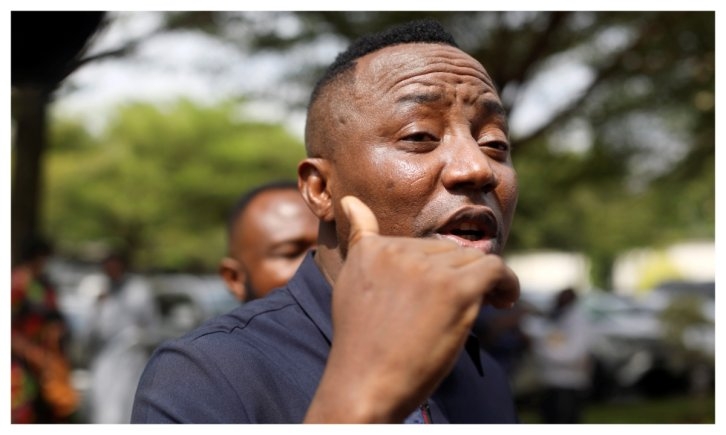
Omoyele Sowore, the African Action Congress (AAC) 2027 presidential candidate, has responded sharply to Afrobeat superstar Davido after the singer called him “arindin” on social media. The exchange, which unfolded publicly on X (formerly Twitter), highlights growing tensions between Nigerian political figures and celebrities over public commentary. Sowore’s reply directly targeted Davido’s uncle, Osun State Governor Ademola Adeleke, suggesting a deeper familial and political context behind the remarks.
Sowore took to his official X account to address the issue, using the platform to voice his frustration with what he described as unwarranted disrespect. In his post, he did not shy away from naming Governor Adeleke, implying that the governor’s influence may have shaped Davido’s public stance. He wrote: “Davido is not just speaking for himself—he’s echoing the voice of his uncle, Governor Ademola Adeleke.” This statement underscores the perceived connection between celebrity culture and political power in Nigeria’s public discourse.
The term “arindin,” used by Davido, is a Yoruba expression often interpreted as a derogatory reference to someone seen as foolish or naive. Its use in this context sparked immediate backlash from Sowore’s supporters, who accused Davido of crossing a line by mocking a political aspirant. Social media users quickly weighed in, with some defending Davido’s right to free speech while others condemned the use of such language against a public figure.
This incident adds to a broader pattern of friction between Nigerian politicians and entertainers, especially during election cycles. Celebrities like Davido often find themselves at the center of political debates, whether through direct comments or perceived endorsements. Their influence can sway public opinion, making their words particularly sensitive during periods of heightened political activity.
Sowore, known for his outspoken nature and advocacy for democratic reforms, has consistently positioned himself as a challenger to the status quo. His 2027 presidential bid is part of a larger movement pushing for systemic change in Nigeria’s governance structure. By responding to Davido’s comment with pointed criticism, Sowore reinforces his image as a fearless critic of both political and cultural elites.
Meanwhile, Davido has not issued a public response to Sowore’s rebuttal, leaving the conversation open-ended. However, the incident has already generated significant online engagement, with hashtags related to the exchange trending across Nigerian social media platforms. As the 2027 elections draw nearer, such public spats are likely to become more frequent, reflecting the intense scrutiny and emotional stakes involved in Nigeria’s political landscape.
This clash between a presidential hopeful and a music icon illustrates how deeply intertwined politics and pop culture have become in Nigeria. It also signals that public figures, regardless of their profession, will continue to face scrutiny and pushback when they enter the political arena. The outcome of this exchange may influence how future candidates navigate celebrity relationships during election campaigns.

Leave a Comment