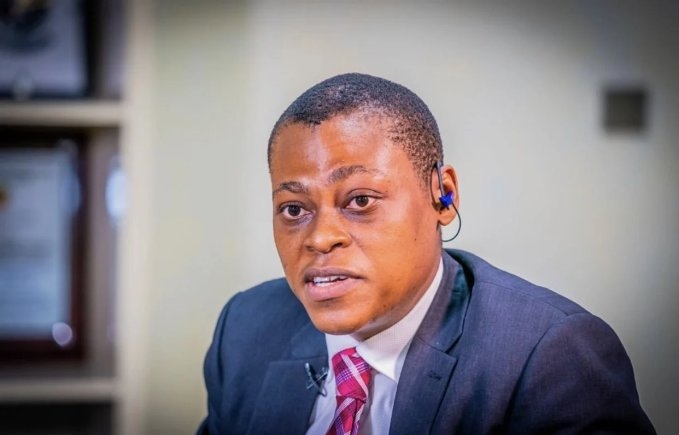
Arise Television anchor Rufai Oseni has criticized the performance of Osun State governorship candidates during a town hall debate held on Tuesday, describing their responses as lacking in vision and innovation. Speaking on Wednesday, Oseni expressed disappointment with the quality of discourse among the contenders, including incumbent Governor Ademola Adeleke. He emphasized that the candidates failed to present clear, forward-thinking policies that could address pressing issues facing the state.
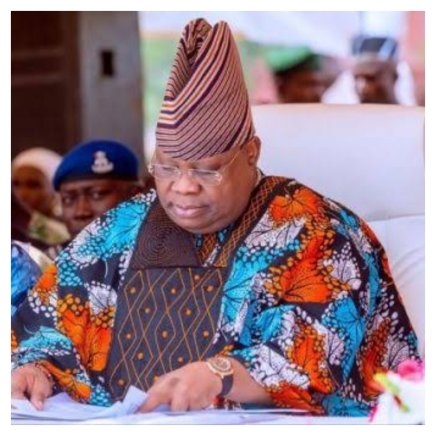
The debate, which brought together major political aspirants vying for the governorship seat, was expected to showcase leadership potential and policy proposals. However, Oseni noted that many candidates resorted to rhetoric and vague promises rather than concrete plans. He pointed out that even the sitting governor, Ademola Adeleke, did not stand out with bold or transformative ideas during the event.
Oseni highlighted the absence of actionable strategies on critical areas such as job creation, education, healthcare, and infrastructure development. According to him, the candidates appeared more focused on attacking opponents than presenting solutions. This, he said, reflects a broader trend in Nigerian politics where substance often gives way to spectacle.
The media personality stressed that voters deserve better from those seeking public office. “We need leaders who can think beyond the next election cycle,” Oseni remarked. “The people of Osun are looking for real change, not just soundbites.” His comments have sparked conversations across social media and news platforms, with many Nigerians echoing his concerns about the state of political discourse.
The upcoming Osun State governorship election is scheduled for July 2024, and the debate was one of the key events leading up to polling day. With multiple parties fielding candidates, including the All Progressives Congress (APC), Peoples Democratic Party (PDP), and others, the race remains highly competitive. However, Oseni’s critique suggests that the campaign may be more about popularity than policy.
Observers note that while debates are crucial for informing voters, they often fail to deliver meaningful insights. In this case, the lack of depth in candidate responses may leave voters uncertain about who truly understands the challenges of governance. The debate also underscores the need for improved electoral processes that encourage accountability and transparency.
As the election draws nearer, citizens are increasingly calling for candidates to focus on tangible solutions. Oseni’s remarks serve as a reminder that leadership should be measured not by charisma alone, but by the ability to deliver results. The outcome of the Osun poll may well depend on how seriously candidates take these expectations.
Leave a Comment