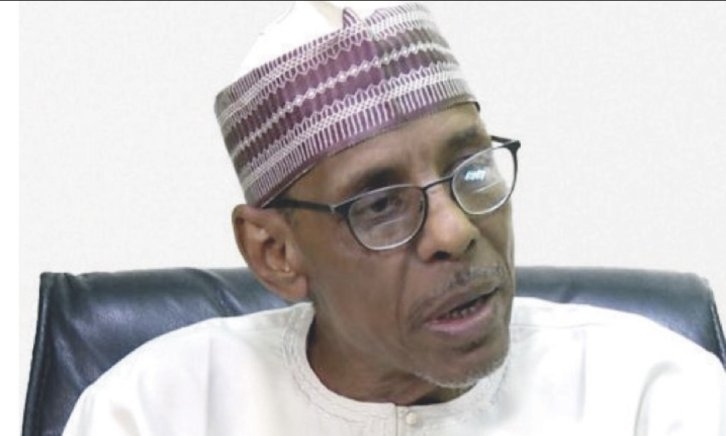
Ahead of the 2027 general elections, a former Political Adviser to President Bola Tinubu, Hakeem Baba-Ahmed, has claimed that the All Progressives Congress (APC) is facing intense anxiety over the possibility of being rejected by voters in a free and fair election. Baba-Ahmed’s remarks come amid growing discussions about the state of Nigeria’s political landscape and the strength of opposition parties. He emphasized that despite the APC’s vast financial resources and control over most elected officials, the party remains deeply unsettled by the prospect of electoral defeat.
In response to a social media post by user @Abdulrah_maan, who described the opposition as “lacklustre,” Baba-Ahmed pushed back strongly. He argued that the opposition is not weak or disorganized but is instead enduring what he called “the most crippling assault from the governing party in the history of democracy in Nigeria.” His comments highlight concerns about potential intimidation, marginalization, and systemic challenges faced by opposition candidates and parties.
Baba-Ahmed pointed out that the APC currently holds significant advantages, including access to national funds and the loyalty of approximately 90% of elected politicians. Despite these advantages, he noted that the ruling party is struggling with fear and uncertainty. This sentiment suggests that internal pressures and public dissatisfaction may be mounting, even within the ruling coalition.
The former adviser’s words reflect broader anxieties about Nigeria’s democratic trajectory. As the country approaches the 2027 polls, questions are being raised about transparency, fairness, and the space available for genuine political competition. Baba-Ahmed’s assertion that the APC cannot sleep due to fears of rejection underscores a critical moment in Nigerian politics — one where power dynamics may shift dramatically.
His intervention on social media has sparked further debate among Nigerians about the health of the nation’s democracy. While some view his comments as alarmist, others see them as a necessary wake-up call. The upcoming elections will likely test the resilience of Nigeria’s democratic institutions and the ability of all parties to compete on a level playing field.
As the political season heats up, Baba-Ahmed’s observations serve as a reminder that even dominant parties can face unexpected challenges when elections are truly credible. The coming years will determine whether Nigeria’s democracy deepens or faces setbacks under sustained pressure.



Leave a Comment