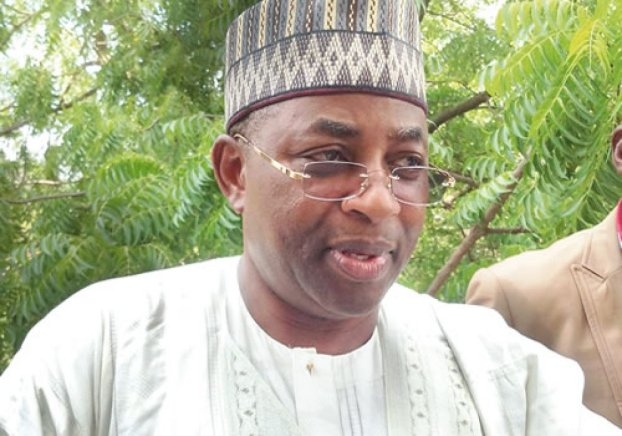
The governorship candidates of the All Progressives Congress (APC) and the Peoples Redemption Party (PRP) in Bauchi State, Mohammed Abdullahi Abubakar and Senator Shehu Buba Umar, have clashed over allegations questioning the senator’s source of funds, sparking a legal and political controversy ahead of the 2027 governorship election. The dispute began after Abubakar reportedly made comments during a political meeting suggesting that the funds used by Senator Buba for campaign activities were “questionable.” These remarks quickly gained traction on social media, drawing widespread attention and reactions from political observers and the public.
In response, Senator Shehu Buba Umar, who represents Bauchi South Senatorial District in the National Assembly, filed a six-page petition with the Inspector-General of Police. The petition accuses Abubakar of making defamatory, libellous, and inflammatory statements that could damage the senator’s reputation. According to the legal team, the comments were not only harmful but also part of a deliberate campaign of cyberstalking and cyber-defamation aimed at undermining Buba’s credibility in the lead-up to the upcoming election. The petition specifically highlights Abubakar’s statement that Buba’s “source of wealth with which he has been doing so many things is questionable” as grounds for legal action.
The senator’s lawyers have given the police seven days to invite Abubakar for questioning, warning of possible legal consequences if the matter is not addressed promptly. They argue that the remarks were calculated to tarnish Buba’s image and create public doubt about his financial integrity, which could influence voter perception. The legal team emphasized that such statements, especially when made in a public political context, constitute a serious breach of ethical and legal standards.
On the other hand, Muhammad AlKasim, secretary of Abubakar’s legal team, defended the APC candidate’s right to free expression under Sections 39 and 45 of the Nigerian Constitution. He stressed that every Nigerian has the right to express opinions without interference, and that Abubakar was merely calling for transparency in political funding. AlKasim also dismissed the defamation claim, arguing that Abubakar did not explicitly name Senator Shehu Buba Umar. “He mentioned ‘Shehu,’ which must be accompanied by a second name. There are many Shehus. Why is he the one petitioning?” he questioned, suggesting that the statement was too vague to constitute defamation.
Despite the legal back-and-forth, AlKasim urged Abubakar’s supporters to remain calm and trust that the police will handle the matter professionally. The dispute underscores the increasing intensity of political campaigns in Bauchi State and highlights the growing use of legal tools to counter public criticism. As the 2027 election approaches, this clash may set a precedent for how political discourse and freedom of expression are balanced with legal accountability in Nigeria’s electoral landscape.



Leave a Comment