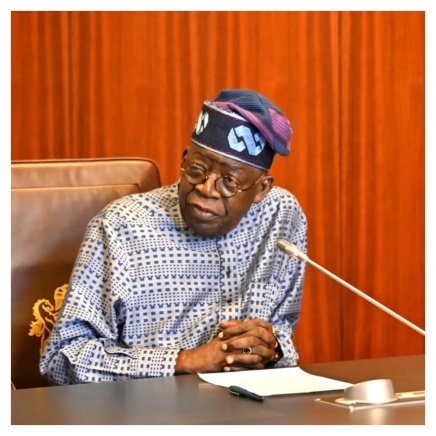
The Rural Electrification Agency (REA) has become a focal point of political debate in Nigeria, with Demola Olarenwaju, Senior Political Assistant to the African Democratic Congress (ADC) presidential candidate Atiku Abubakar, calling for its abolition. Olarenwaju argued that the federal government should not be involved in rural electrification, asserting that power provision should be the responsibility of state governments. His comments came just hours after President Bola Tinubu appointed former Ekiti State Governor Ayodele Fayose as the new Chairman of REA, as part of a broader reshuffle of federal appointments.
Olarenwaju took to X, formerly Twitter, to express his views, stating that the REA Act is now compromised and should be scrapped. He referenced past attempts by former Presidents Musa Yar’Adua in 2009 and Goodluck Jonathan to reform or dismantle the agency, noting that Jonathan had asked former Minister of Power, Oronsaye, to conduct a holistic review of federal power policies. He emphasized that in a truly federated system, where states are expected to manage power generation, transmission, and distribution, the federal government has no legitimate role in rural electrification.
According to Olarenwaju, the federal government must be consistent in its policy stance. He criticized the administration for claiming that states can manage power infrastructure while simultaneously maintaining an agency like REA that operates independently of state governments. “You can’t claim states can generate, transmit and distribute power then still hold on to a rural electrification agency that bypasses the State Governments,” he wrote, highlighting the perceived contradiction in policy.
The appointment of Ayodele Fayose as REA Chairman has drawn attention due to his controversial political past and his strong stance on federalism. Fayose, who served as Ekiti State Governor from 2007 to 2018, is known for his vocal advocacy for state autonomy and his criticism of federal overreach. His appointment may signal a shift in the federal government’s approach to power distribution, particularly in rural areas.
This development adds to the ongoing discourse on Nigeria’s power sector reform and the balance of power between federal and state governments. As the country grapples with persistent electricity shortages, the role and future of REA remain under scrutiny. The debate over whether rural electrification should be federal or state-led is likely to intensify, especially as the new leadership at REA begins to implement its agenda. The coming months will reveal whether the agency will be restructured, reoriented, or ultimately dismantled.
Leave a Comment