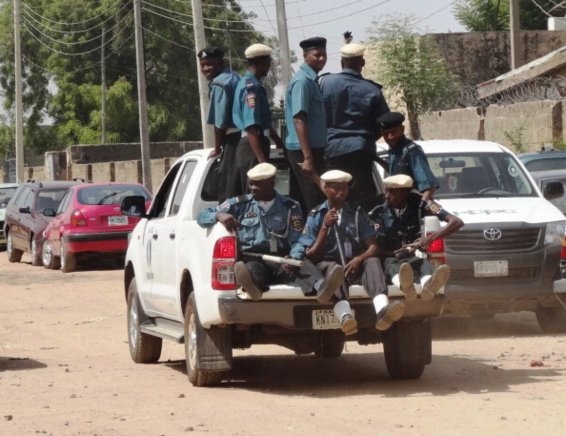
The Kano State Hisbah Board has imposed a statewide ban on the mobile movie downloading business, commonly known as “downloading,” across all 44 local government areas in the state. Acting Commander General Mujahid Aminuddeen announced the decision in a voice message sent to journalists, emphasizing that the move is aimed at safeguarding public morality and promoting Islamic values. The ban, effective immediately, targets individuals and groups involved in the distribution of digital content via mobile devices, particularly in public spaces.
Aminuddeen stated that investigations by the board revealed that the downloading business has been used to circulate films and videos containing content that contradicts Islamic teachings, local cultural norms, and accepted moral standards. He highlighted that the materials often include scenes deemed inappropriate, including those involving nudity, violence, and themes considered contrary to religious principles. “Our findings show that this business contributes to the spread of films and videos that contain content contrary to religion, our culture and good morals,” he said.
The Hisbah Board’s decision is rooted in its mandate to uphold Islamic law and protect the moral fabric of society, especially among the youth. Aminuddeen stressed that the ban is necessary to shield young people from moral decay and reduce the circulation of harmful content in communities. He urged all operators of the downloading business to cease operations immediately and comply with the directive.
Failure to comply, he warned, will result in legal consequences. “We are calling on all operators of this business to comply with this directive. Anyone caught violating the ban will face the full weight of the law,” Aminuddeen added. The board has not specified the exact legal penalties, but previous enforcement actions have included arrests, confiscation of equipment, and fines.
This move follows increasing concerns over the influence of digital media on youth behavior and cultural values in northern Nigeria. While mobile downloading has become a popular source of entertainment and income for many, especially in urban areas, critics argue that unregulated content undermines religious and cultural teachings. The ban is expected to disrupt the livelihoods of hundreds of informal workers who rely on the business for daily income.
The Kano State Hisbah Board’s action reflects a broader trend in northern Nigeria, where religious and moral authorities have stepped up efforts to regulate digital content. Similar measures have been taken in other states, though enforcement varies. The decision is likely to spark debate on the balance between religious governance and individual freedoms in the digital age.
As the ban takes effect, residents and business operators are being urged to seek alternative, lawful means of livelihood. The long-term impact on youth employment and access to entertainment remains to be seen, but the Hisbah Board insists that public morality must come first. This development underscores the growing influence of religious institutions in shaping digital policies across Nigeria’s northern region.





Leave a Comment