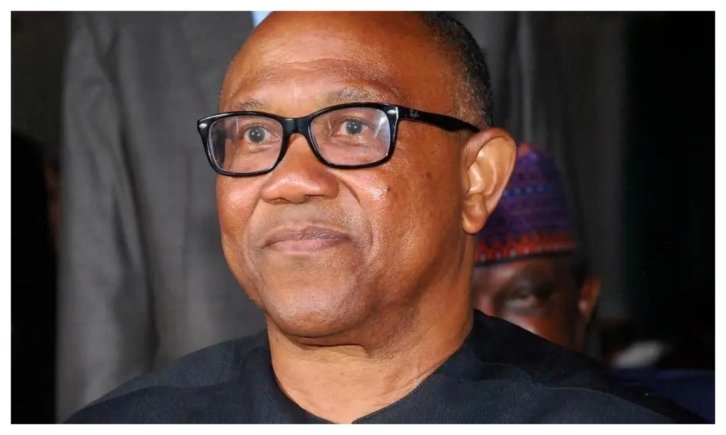
President Bola Tinubu’s Special Adviser on Policy Communication, Daniel Bwala, has dismissed Peter Obi, the Nigeria Democratic Congress (NDC) presidential candidate, as a “miracle centre presidential candidate,” sparking fresh debate ahead of the 2023 general elections. Bwala’s remarks came after Obi, in an interview with media personality Chude Jideonwo, set conditions for a public debate with Minister of Works, Dave Umahi, insisting that Umahi must first qualify as a presidential candidate of a political party. Obi’s statement followed Umahi’s public declaration that he was ready to engage Obi in a debate on road infrastructure, a key issue in Nigeria’s development agenda.
Bwala took to the social media platform X to challenge Obi’s own legitimacy as a presidential aspirant. He questioned how Obi could demand qualifications from Umahi when he himself had not participated in any formal presidential primary election. “Peter Obi is telling Chude on his podcast that if H.E Dave Umahi wants to debate him, he should first qualify as a presidential candidate first,” Bwala wrote. He then posed a pointed rhetorical question: “Funny; the Peter Obi @PeterObi — how did he qualify to be a presidential candidate? Did he participate in any presidential primaries?”
Bwala further emphasized that Obi had never been through the official party primaries process, which is a standard requirement for presidential candidates in Nigeria’s electoral system. He criticized Obi for setting conditions for debate while bypassing the very procedures he now demands from others. “In fact, has he ever participated in any presidential primaries?” Bwala asked. “Imagine a miracle centre presidential candidate questioning a successful governor and performing minister on qualifications.” The term “miracle centre” is often used in Nigerian political discourse to describe candidates who emerge without formal party backing or primary elections, suggesting their rise is more symbolic or media-driven than institutional.
The exchange highlights growing tensions among presidential aspirants as the 2023 election season intensifies. Obi, a former Anambra State governor and former presidential candidate under the Peoples Democratic Party (PDP), has positioned himself as a reformist alternative, drawing support from youth and urban voters. His decision to set conditions for debate reflects his strategy to maintain control over his public image and messaging. Meanwhile, Umahi, a seasoned politician and current Minister of Works, has consistently defended his record on infrastructure and challenged Obi to engage in substantive dialogue.
As the election approaches, such public sparring is expected to increase, with candidates using media platforms to assert credibility and attack opponents’ qualifications. Bwala’s comments underscore the importance of party primaries in Nigeria’s political framework, while also spotlighting the growing influence of independent and non-mainstream candidates like Obi. The debate over who qualifies as a legitimate presidential candidate may continue to shape voter perceptions and campaign narratives in the months ahead.
Leave a Comment