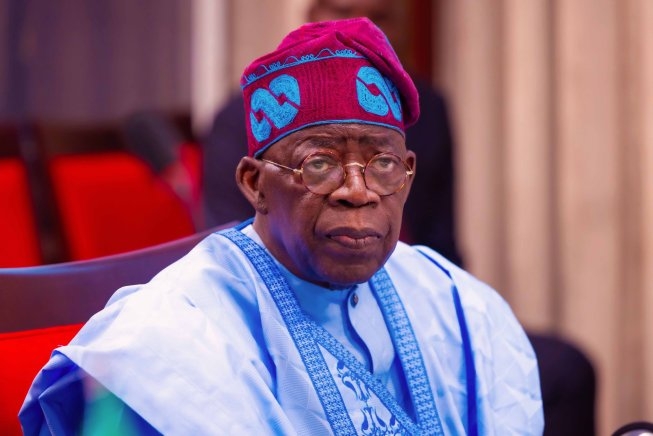
A Kaduna-based legal practitioner, Al-zubayr Abubakar, has accused President Bola Tinubu of consolidating control over Nigeria’s key institutions, including the Independent National Electoral Commission (INEC), security agencies, and the judiciary. Speaking in an interview with JKD TV, a Kaduna-based television station, Abubakar claimed that no leader in Nigeria’s history—military or civilian—has exercised such unchecked authority over the nation’s governance structures. He argued that this concentration of power undermines democratic principles and erodes public trust in essential institutions meant to serve all Nigerians.
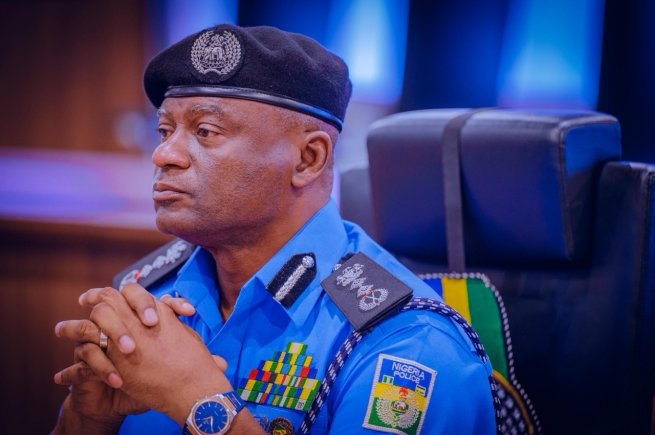
Abubakar emphasized that the security agencies, including the Department of State Services (DSS) and the police, are now perceived to operate solely in the interest of the President rather than the nation. He cited an example, stating that if someone were to openly criticize Tinubu, the security forces would immediately intervene, framing the act as an insult to the country. He questioned this logic, asking, “Is Tinubu the nation?” His remarks highlight growing concerns about the politicization of security operations and the potential for abuse of power.
The lawyer also expressed alarm over the judiciary’s independence, asserting that judges have been brought under Tinubu’s influence. He questioned whether citizens can confidently bring legal cases to court when the perceived impartiality of the judiciary is compromised. This, he argued, creates a climate of fear and uncertainty, particularly for political opponents and civil society groups seeking redress through legal channels.
Abubakar further criticized INEC, claiming it has been crippled and placed under presidential control. He pointed to the ongoing dispute within the Peoples Democratic Party (PDP), where the Supreme Court ruled against the Wike faction, yet INEC continues to recognize and engage with that group. He questioned how INEC can be expected to conduct free and fair elections under such circumstances, especially when its decisions appear to contradict judicial rulings.
The allegations raise serious concerns about the integrity of Nigeria’s democratic institutions ahead of upcoming elections. If these claims are accurate, they suggest a dangerous erosion of checks and balances, which could have long-term implications for governance and public confidence in the electoral process. As Nigeria moves toward its next electoral cycle, the role of INEC, the judiciary, and security agencies will be under intense scrutiny. The nation’s future depends on whether these institutions can operate independently and uphold the rule of law.




Leave a Comment