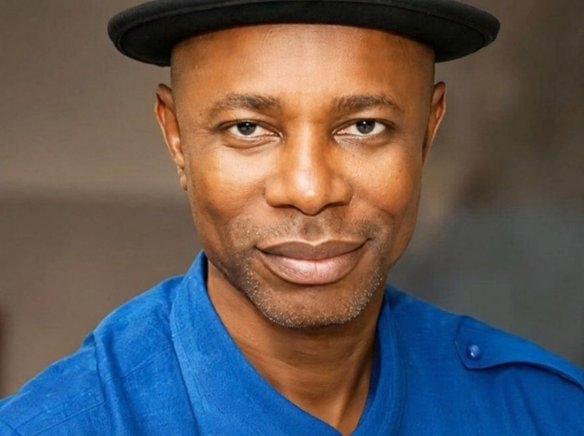
Former Labour Party National Youth Leader, Prince Kennedy Ahanotu, has launched a scathing critique of former presidential candidate Peter Obi, accusing him of failing to build lasting political structures and abandoning loyal supporters. Speaking on TVC News, Ahanotu highlighted what he described as a recurring pattern in Obi’s political career—shifting from one party to another without investing in institutional development. He emphasized that true leadership involves nurturing people and building sustainable organizations, not relying solely on personal charisma or popularity.
Ahanotu argued that Obi’s approach to politics lacks long-term vision, noting that his movements across different platforms over the years reflect a lack of commitment to any single political structure. He pointed out that genuine leaders are those who empower their followers, train them, and leave behind systems that continue to function even after they are gone. “Peter Obi is not a builder of men; he abandons his own people,” Ahanotu stated bluntly, underscoring his belief that leadership should be measured by legacy, not momentary influence.
The former Labour Party chieftain stressed that political sustainability depends on strong, well-organized institutions capable of withstanding change and challenges. He criticized Obi for not laying the groundwork for such institutions during his tenure in various parties, including the Labour Party. According to Ahanotu, Obi’s focus has often been on winning elections or gaining public attention rather than cultivating a loyal, capable base that can carry the party forward.
Ahanotu’s comments come amid growing debates within Nigerian politics about the importance of party structures and institutional memory. Many analysts agree that Nigeria’s political landscape has suffered from a culture of personality-driven politics, where leaders rise and fall based on individual appeal rather than organizational strength. Ahanotu’s remarks add to the conversation, urging Nigerian politicians to prioritize building institutions over chasing short-term gains.
He further noted that Obi’s ability to attract massive support during the 2023 presidential election does not equate to political maturity or structural development. While Obi garnered widespread admiration for his campaign, Ahanotu questioned whether the movement he built had the capacity to endure beyond his personal influence. “You can win elections, but if you don’t build institutions, you leave nothing behind,” he said.
As Nigeria continues to grapple with political instability and weak party systems, Ahanotu’s critique serves as a reminder of the need for leaders who invest in sustainable governance. His words may resonate with many Nigerians who have long called for a shift from transactional politics to transformational leadership. The future of Nigerian democracy, he implied, depends on leaders who prioritize building institutions over personal glory.




Leave a Comment