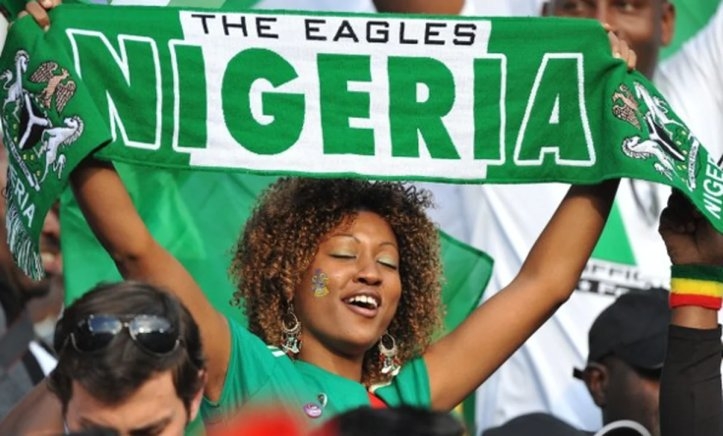
Nigerian football fans have long debated whether the Super Eagles can compete with global powerhouses like Brazil, France, England, or African rivals such as Morocco, Senegal, and Ghana in the World Cup. While passion and nostalgia fuel these discussions, the 2026 qualifying campaign has shown that real performance must be measured beyond reputation or past glory. Nigeria’s failure to secure automatic qualification after finishing second in CAF Group C behind South Africa, followed by a playoff loss to DR Congo, highlights the need for objective data to assess the team’s true standing. Modern football analytics tools now offer a clearer picture by comparing teams using advanced statistics, helping fans, journalists, and analysts move beyond emotion and into evidence-based evaluation.
Traditional match results—wins, draws, and losses—only tell part of the story. For instance, Nigeria’s 1-0 win over Rwanda in the qualifiers may look impressive on paper, but if they created few high-quality chances or struggled to defend leads, the result doesn’t reflect true dominance. Advanced metrics like expected goals (xG), shot conversion rates, possession quality, progressive passes, and defensive actions provide deeper insight. These statistics reveal whether Nigeria’s attacks are efficient, whether their midfield controls the tempo, and whether their defense can withstand pressure. A draw against a stronger team might actually be a positive outcome if Nigeria had the better xG, more shots on target, and superior pressing.
A reliable football comparison tool should allow users to select Nigeria and any opponent, then compare them across key performance areas such as offensive creativity, defensive solidity, and set-piece effectiveness. Features like customizable dashboards, side-by-side analysis, and intuitive visualizations—such as radar charts, line graphs, and heatmaps—make it easier to understand team strengths and weaknesses. For example, a radar chart comparing Nigeria and Morocco could highlight differences in xG, pressing intensity, and defensive compactness. SportyTrader’s platform offers such tools, enabling fans to benchmark the Super Eagles against World Cup contenders and assess where they stand in key areas like goal conversion and defensive errors.
Beyond current stats, historical data and opposition analysis are crucial. Teams that excel under high pressure, quick transitions, or aerial duels can be identified using filters and player rankings. This helps determine whether Nigeria needs a clinical striker, a creative playmaker, or a more balanced squad. The 2026 qualifiers also showed that squad continuity, tactical discipline, and consistent chance creation are vital for success. While data doesn’t predict every outcome—factors like injuries, morale, and travel fatigue can shift results—it provides a solid foundation for informed debate.
As Nigeria reflects on its 2026 campaign, the focus must shift to using data to guide improvement. Statistics don’t replace passion, but they enrich it. By comparing teams objectively, fans and analysts can ask smarter questions, challenge assumptions, and prepare for the next cycle with clearer insight. The future of Nigerian football depends on blending emotion with evidence, and tools that enable this are becoming essential for every serious supporter.


Leave a Comment