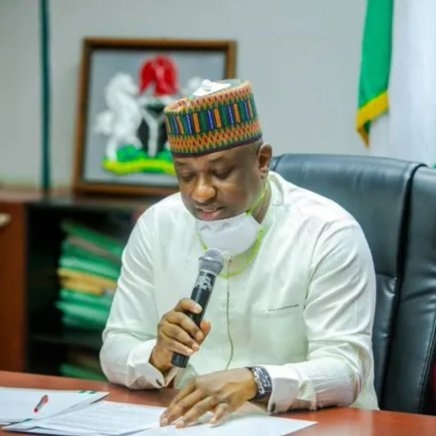
Minister of Aviation and Aerospace Development, Festus Keyamo, has strongly criticized the reported decision by the NDC coalition to zone its presidential ticket to the South for only one term ahead of the 2027 general elections. In a statement released on his official social media page on May 11, 2026, Keyamo dismissed the proposal as a deceptive tactic aimed at misleading the Nigerian public. He argued that such a short-term zoning arrangement lacks credibility and raises serious concerns about its long-term sustainability.
Keyamo described the plan as an “audacious attempt to hoodwink Nigerians,” drawing a direct comparison to the 2011 pledge by former President Goodluck Jonathan to serve only one full term. He pointed out that Jonathan’s promise, though initially welcomed, was later undermined by political realities, and questioned whether the current NDC zoning plan would face a similar fate. The minister emphasized that political promises made without concrete mechanisms to enforce them often lead to disappointment and broken trust.
He further raised alarm over the potential for the NDC leadership to reverse the zoning decision or for the elected candidate to defect from the coalition after winning the election. “What happens if Peter Obi changes his party, assuming he wins, or as leader of the NDC he gets the NEC of the party to reverse the decision?” Keyamo asked, highlighting the fragility of such political agreements. He stressed that without legal or constitutional safeguards, such arrangements are easily manipulated.
Keyamo also characterized the proposal as a sign of growing desperation within the opposition camp as the 2027 presidential election approaches. He labeled the move as “political 419,” a term commonly used in Nigeria to describe deceptive or fraudulent practices in politics. According to him, the NDC’s strategy reflects a lack of genuine vision and a reliance on gimmicks to gain public support.
The minister’s remarks come amid increasing speculation about the internal dynamics of the NDC coalition and its ability to present a united front ahead of the next general election. His comments have sparked reactions across political circles, with supporters applauding his candor and critics accusing him of undermining national unity. Nonetheless, Keyamo’s position underscores the deepening debate over zoning, political integrity, and the need for transparent electoral processes in Nigeria.
As the 2027 elections draw closer, the public will be watching closely to see whether such promises translate into concrete action or fade into political rhetoric. The outcome may shape voter confidence and influence the broader electoral landscape in the months ahead.



Leave a Comment