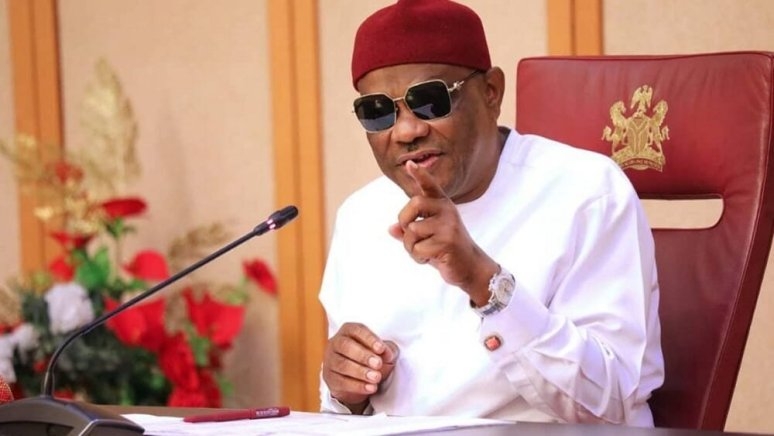
Minister of the Federal Capital Territory, Nyesom Wike, has described the African Democratic Congress (ADC) presidential ticket of Atiku Abubakar and Rotimi Amaechi as a “joint ticket of corruption,” delivering a scathing critique during a town hall meeting in Rivers State. The event took place on Monday in Obio-Akpor Local Government Area, where Wike engaged with leaders from the Rumueme and Apara kingdoms. In his address, he dismissed the ADC’s chances of securing the mandatory 25% vote share required by Nigeria’s constitution to win the presidency in Rivers State.
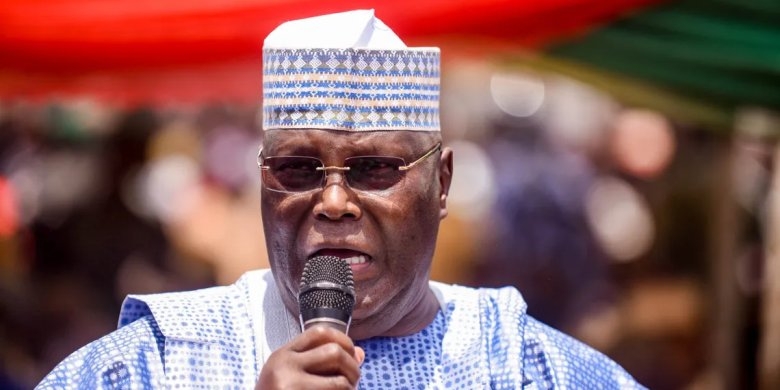
Wike’s remarks were rooted in his assertion that Atiku Abubakar lacks moral integrity, citing former President Olusegun Obasanjo’s past verdict on him. He recalled how Obasanjo had expressed regret over appointing Atiku as vice president, describing him as corrupt. “The same Atiku whose boss described him as corrupt and said one of his major regrets was making him vice president is now talking,” Wike stated, emphasizing the contradiction between Atiku’s current anti-corruption stance and his past.
He further criticized Atiku’s running mate, former Rivers State governor Rotimi Amaechi, saying his inclusion only deepened the moral flaws of the ticket. Wike highlighted a recent televised statement by Atiku urging Nigerians to accept money offered by those in power, calling it “stolen money.” He mocked this position, asking rhetorically, “Haa, Atiku is now an apostle of anti-corruption?” This, according to Wike, exposed the hypocrisy of the ADC’s campaign narrative.
The FCT Minister argued that the coalition’s platform lacked credibility and would not resonate with voters in Rivers State, particularly given the historical and political context of the region. He maintained that the combination of Atiku and Amaechi represented a union of figures with questionable records, making their joint candidacy unacceptable to many Nigerians. His comments reflect growing political tensions ahead of the upcoming general elections, especially within the South-South region.
By framing the ADC ticket as a symbol of corruption, Wike appears to be positioning himself and his allies against what he perceives as unethical leadership. His speech underscores the ongoing scrutiny of candidates’ past actions and their alignment with public values. As election campaigns intensify, such direct confrontations are likely to become more frequent, shaping voter perceptions across the country.
This latest development adds another layer to the already complex political landscape in Nigeria, where legacy, accountability, and public trust remain central issues. Wike’s bold statement may influence how voters view the ADC’s credibility, particularly in states like Rivers where his influence remains strong.


Leave a Comment