
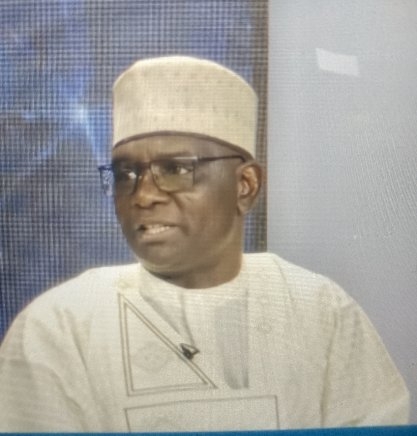
A public affairs analyst, Buhari Yusuf, has warned that the political strategy of former presidential candidates Peter Obi and Rabi’u Kwankwaso to seek only a single four-year term in the 2027 general elections is a dangerous narrative that could undermine Nigeria’s democratic process. Speaking during an interview on Trust TV on Monday, Yusuf expressed concerns about the implications of such a calculated move, especially in the context of Nigeria’s complex political landscape. He emphasized that the idea of limiting a presidential term to four years as a form of political compromise or “political correctness” is not only risky but also potentially destabilizing.
Yusuf argued that Obi’s push for a one-term presidency might stem from a sense of desperation, driven by the perception that his political space is shrinking. “The reason Obi is becoming this desperate and going for this political correctness is possibly because he sees the situation quite asphyxiated and no space for him to operate,” he stated. He further pointed out that this strategy reflects a broader issue: the lack of a wider democratic framework that allows for genuine competition and political evolution in Nigeria.
The analyst also raised concerns about the potential for a “serious butter up party” in the 2027 elections, suggesting that political alliances may be formed more for short-term gains than long-term national interest. He noted that the All Progressives Congress (APC) is likely to leverage Nigerian voter psychology, which often favors newness and novelty. “We always subscribe for newer things,” Yusuf said, highlighting how the APC might capitalize on this tendency to position itself as a fresh alternative.
He warned that voters may be swayed by superficial promises and political theatrics rather than substantive policy proposals. “Just like a lover and everything goes,” he remarked, drawing a metaphor to describe how emotions and perceptions can override rational political choices. Yusuf stressed that this trend could lead to a cycle of short-term political arrangements that fail to address Nigeria’s deep-rooted challenges.
The 2027 elections are expected to be highly competitive, with multiple parties and candidates vying for power. Yusuf’s comments underscore the need for a more mature and principled political discourse in Nigeria. His analysis suggests that the Obi-Kwankwaso alliance, while potentially influential, must be scrutinized for its long-term impact on governance and democracy. As Nigeria approaches another critical electoral cycle, the choices made today will shape the nation’s political future for years to come.


Leave a Comment