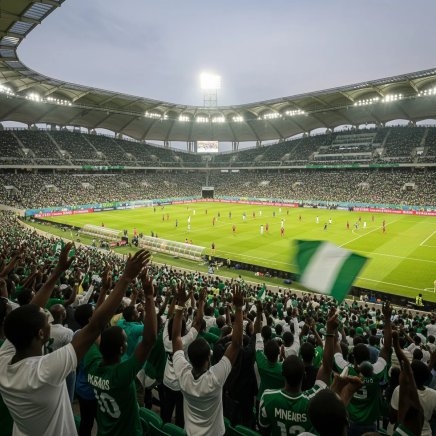
Nigeria football 2026 is shaping up as a pivotal chapter for the Super Eagles, with tactical overhauls and evolving player demands signaling a shift from chaotic past campaigns to a more disciplined, structured approach. As fans in Lagos, Abuja, and Aba tune in to every match, the national team’s performance is under intense scrutiny, not just for results but for the quality of play and long-term development. The current management is redefining the team’s identity, focusing on defensive solidity and team cohesion, which could be the key to navigating the tough 2026 World Cup qualifiers and upcoming AFCON campaigns.
Football in Nigeria remains deeply embedded in daily life, with Sunday evenings often dedicated to watching matches, debating tactics, and following Nigeria sport news for real-time updates. The Super Eagles have always been a unifying force, capable of sparking national pride or igniting heated debates. Now, with the global spotlight on West Africa’s football giants, the pressure on players to deliver consistent performances has intensified. Every match is analyzed under a global microscope, and the transition from aging stars to a new generation is being closely watched.
Recent Nigeria football news highlights a major defensive restructuring within the national squad. For years, the team relied heavily on attacking flair while hoping the backline would hold. That approach is changing. The coaching staff has introduced a more rigid continental system, emphasizing defensive discipline and wing-backs tracking back instead of lingering in the opposition’s penalty area. This tactical evolution is influencing how local talent is scouted and prepared for international duty, with a clear focus on specific player profiles.
The technical crew is now seeking dynamic holding midfielders who can disrupt transitions without accumulating early yellow cards, disciplined central defenders comfortable playing out from the back under high pressure, and versatile wingers willing to sacrifice personal goals for team shape. These changes may seem less glamorous than constant attacking moves, but they are crucial for surviving the brutal qualification rounds ahead.
The impact of Nigerian players in European leagues—particularly in England, Italy, and Germany—cannot be ignored. Their exposure to elite-level football brings heightened intensity and professionalism to the national team. However, managing these players’ club commitments and egos remains a challenge for the coach. The current football season news is dominated by the stellar scoring form of Nigerian strikers abroad, raising questions about selection and squad balance.
As the AFCON qualifiers approach, the Super Eagles face tough continental rivals, and past failures against lesser-known teams in Uyo and Abuja serve as a reminder of the importance of mental preparation. The fanbase is watching closely, demanding not just results but heart and execution on the pitch. This season will define the legacy of this generation. With the tactical foundation in place, the team now must deliver on the field—no more excuses, just performance. The future of Nigerian football depends on it.


Leave a Comment