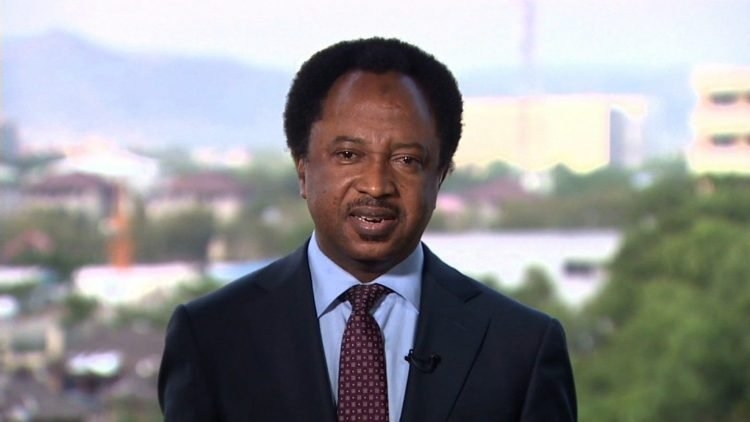
Chairing the Independent National Electoral Commission (INEC) in Nigeria remains one of the most politically perilous roles in the country, according to former senator Shehu Sani, who has described the position as inherently vulnerable to relentless criticism regardless of performance. In a recent post on his X handle, Sani emphasized that the INEC chairman is constantly under attack from political actors across the spectrum, a trend that has persisted since the days of FEDECO and NEC through to the current electoral body. He noted that no matter how impartial or competent the appointee, they are bound to face hostility from various quarters, especially after election results are announced.
Sani highlighted the experience of former INEC chairman Maurice Iwu, who faced intense public backlash during his tenure, illustrating how electoral outcomes often trigger regional and political reactions rather than objective assessments of electoral conduct. He also referenced Attahiru Jega, who was heavily criticized in northern Nigeria after declaring Goodluck Jonathan the winner of the 2011 presidential election, but later received praise when Muhammadu Buhari was declared winner in 2015. This pattern, Sani argued, underscores the deeply partisan nature of Nigeria’s political environment, where electoral umpires are judged not by their fairness, but by the outcome they deliver.
The current INEC chairman, Prof. Joash Amupitan, has already become the latest target of public scrutiny, according to Sani, following the recent elections. He pointed out that Mahmood Yakubu, the previous chairman, has now stepped down, leaving the current officeholder exposed to the same pressures that have plagued his predecessors. Sani stressed that Nigeria’s political culture often demands that losers contest results rather than accept defeat, making it nearly impossible for any electoral commissioner to be seen as truly neutral.
He further remarked that the only Nigerian politician who ever publicly conceded defeat was Goodluck Jonathan, adding that the prevailing political mindset is one where “you either win or you fight.” This, he said, places enormous strain on electoral officials who are expected to uphold fairness in a system that often resists accountability. “Appoint an angel as INEC chairman,” Sani declared, “he can only be safe in the hands of those who won.” His words reflect a deep concern about the sustainability of credible elections in Nigeria, where the electoral body is caught between political forces and public expectations.
As Nigeria continues to navigate its electoral challenges, the role of INEC remains central to democratic legitimacy. The ongoing criticism of its leadership underscores the need for institutional reforms and a shift in political culture to ensure that electoral umpires can perform their duties without fear of retribution. The future of free and fair elections in Nigeria depends on how society treats those who are entrusted with the task of counting votes and declaring winners.

Leave a Comment