
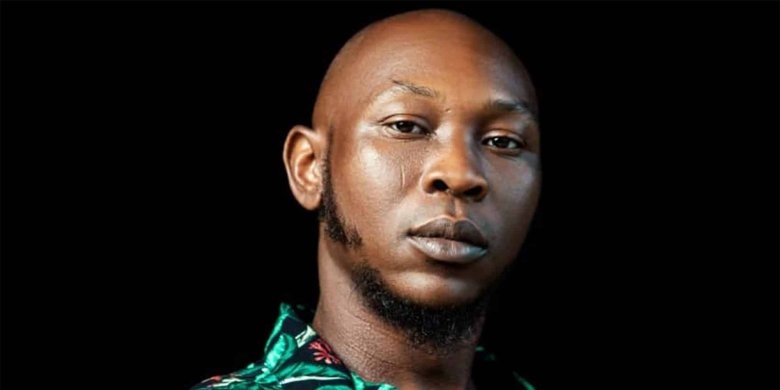
Nigerian Afrobeats artist Seun Kuti has weighed in on the ongoing public feud between Burna Boy and DJ Tunez, using his platform to speak out against toxic masculinity and violence in African society. During a recent livestream, Kuti expressed deep concern over how many African men respond to conflict by resorting to intimidation, physical harm, or manipulation of authority figures. He argued that such actions do not solve problems and only perpetuate cycles of fear and disrespect. His comments come amid heightened tensions in the Nigerian music industry, where high-profile disputes often spill into public discourse.
Kuti emphasized that the mindset of using violence to prove dominance is not only ineffective but also deeply damaging to the collective psyche of African men. “Wait, make I talk. Some of you feel say, as an African man, if somebody offends you, you must show say you pass am. You go arrange boys, or you go arrange police, to beat, to do this one. It doesn’t change shit, bro. It doesn’t change shit,” he said. He stressed that this approach is rooted in ignorance and fear, not strength or leadership. According to Kuti, those who believe that hurting someone proves power are “fools” who are trapped in outdated and harmful beliefs.
He further explained that the lack of mutual respect among Africans allows violence to become normalized. “You are a fool, if you think say to go beat person na show say you get power. You be ode. That’s what make dem dey catch us with that,” he stated. Kuti linked this behavior to deeper psychological issues, suggesting that the constant dehumanization and disrespect of African men in society have created a toxic environment. He believes this mindset is what “f*cking our psyche up,” preventing genuine progress and unity.
Kuti called for a shift toward higher values and more constructive ways of resolving disputes. He urged his peers and the public to reject “low vibration” behavior and embrace dialogue, empathy, and self-awareness. His message resonates with growing calls for mental health awareness and emotional maturity in Nigerian entertainment and society at large. As a respected figure in the Afrobeats scene, his words carry weight and could influence how conflicts are handled in the industry.
This public commentary from Seun Kuti adds to the broader conversation about power, respect, and masculinity in Africa. His candid remarks highlight the need for cultural introspection and change, especially among public figures who shape societal norms. As the Nigerian music industry continues to grow, the way artists handle disagreements may set important precedents for future generations.


Leave a Comment