
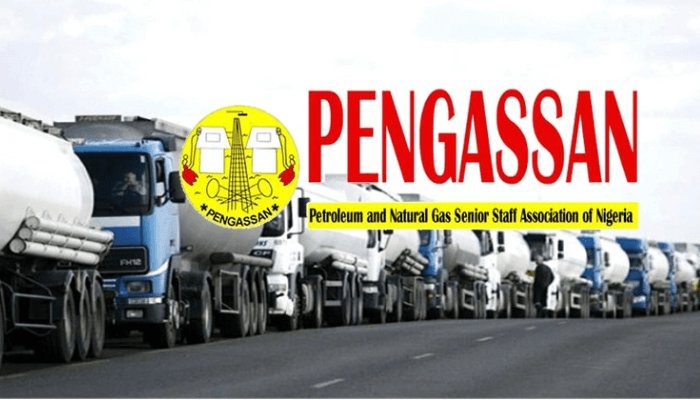
Workers at Seplat Energy Plc have suspended their ongoing strike action, following renewed negotiations and interim commitments on wage adjustments, thereby alleviating concerns over potential disruptions to Nigeria’s oil and gas production. The industrial action, which commenced on Friday, was called off after the Petroleum and Natural Gas Senior Staff Association of Nigeria (PENGASSAN) instructed its members to resume work temporarily, pending the conclusion of new discussions.
The decision to suspend the strike came after Seplat’s management made a written commitment to address outstanding wage issues under a structured negotiation framework. These negotiations are now underway in collaboration with the Nigerian National Petroleum Company Limited (NNPC Ltd), with both parties aiming to resolve all pending matters by April 13, in line with discussions surrounding the 2026 collective bargaining agreement.
A spokesperson for Seplat confirmed that operations are gradually returning to normal across its facilities, indicating a resumption of production activities following the brief disruption. The strike had caused significant concerns across the energy sector, particularly as Nigeria seeks to maximise its crude oil and gas output amidst rising global oil prices, triggered by supply disruptions in major international markets.
Seplat Energy Plc, Nigeria’s largest listed independent oil and gas producer, is targeting an output of up to 155,000 barrels of oil equivalent per day (boepd) in 2026, an increase from the average of 131,506 boepd recorded in the previous year. Any prolonged industrial action could have threatened these ambitious production targets and constrained supply during a period of heightened global demand for energy.
The suspension of the strike provides short-term stability for Nigeria’s upstream oil and gas sector and supports the country’s efforts to boost production capacity. It also highlights the critical role of healthy labour relations in maintaining operational continuity in the industry.
Market observers will now focus closely on the outcome of the ongoing negotiations ahead of the April 13 deadline. Unresolved issues could lead to renewed industrial action, potentially disrupting the momentum built towards maximizing Nigeria’s oil and gas output in an environment characterized by global energy demand surges. As negotiations continue, the sector remains vigilant to ensure sustained progress and mutual agreements between labour and management.




Leave a Comment