
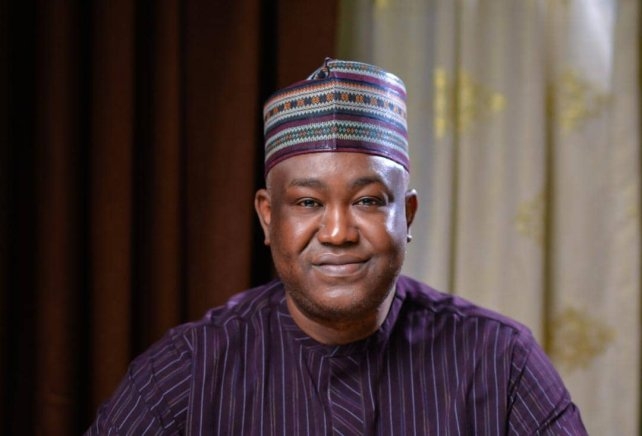
The former party chieftain voiced his concern that the recurring instability in the PDP could potentially lead to a strategic weakness ahead of the 2027 general elections. He suggested that the internal disputes might prevent the party from nominating credible candidates or even reduce its role to that of a passive spectator in the political landscape. Criticising what he believes are orchestrated divisions aimed at weakening the party, Hashim stated, “I cannot, in good conscience, be complicit in actions that undermine democratic values.” For him, staying in such a politically fractured environment would conflict with his personal convictions.
Hashim also highlighted the broader socio-economic challenges facing Nigeria, including high levels of insecurity, loss of lives, and widespread economic hardship. He argued that participating in a political arrangement that appears to endorse the status quo would be inconsistent with his beliefs. In his resignation letter, Hashim lamented the decline of the once powerful PDP, attributing it to internal divisions and selfish interests among party members.
Looking ahead, Hashim expressed his commitment to working with other patriotic Nigerians to prevent the consolidation of a one-party state and to contribute towards building a political system that prioritises security, justice, and economic prosperity. His decision to part ways with the PDP underscores the depth of the party’s internal challenges and adds to the growing uncertainty surrounding its future. As Nigeria prepares for the next election cycle, Hashim’s resignation raises questions about the party’s ability to rejuvenate itself and regain public trust. The politician will now focus his efforts on promoting national unity and democratic governance in an attempt to shape a more hopeful political future for the country.
Hashim’s resignation is significant as it reflects the party’s internal struggles and the broader pressures it faces in the context of a challenging political and socio-economic landscape. The move could have far-reaching implications for the PDP’s strategy, leadership, and electoral prospects in the run-up to 2027. It will be critical to observe how the party addresses its internal divisions and moves forward to ensure credibility and relevance in public discourse.




Leave a Comment