
In a high-stakes Jupiler Pro League playoff match, Club Brugge triumphed over RSC Anderlecht with a 4–2 victory, but manager Ivan Leko’s post-match critique of his international players sparked controversy. Despite their commanding lead in the first half, Brugge nearly handed the advantage away, prompting Leko to express frustration over the performance of certain players who had recently returned from international duty. The victory, while significant, highlighted tensions within the team and drew attention to the delicate balance between club and national responsibilities for these players.
The match saw Club Brugge secure a dominant lead at halftime with goals from Kyriani Sabbe, Aleksandar Stanković, and Christos Tzolis. However, RSC Anderlecht staged a comeback in the second half, with Thorgan Hazard and Mihajlo Cvetković narrowing the gap to 3–2. Romeo Vermant sealed the victory for Brugge deep into stoppage time, securing their place in the playoffs.
Ivan Leko’s public criticism, though not explicitly naming individuals, was reported to target Aleksandar Stanković from Serbia, Raphael Onyedika from Nigeria, and Joel Ordóñez from Ecuador. All three had recently represented their respective national teams, raising questions about fatigue and fitness after long international stints. This criticism did not go unnoticed, with former Club Brugge and Anderlecht forward Marc Degryse voicing his concerns about the implications for the players and their national team coaches.
Degryse, writing in Belgian outlet Het Laatste Nieuws, suggested that Leko’s remarks were unwise and could alienate key figures in the football world. He pointed out that national coaches like Rudi Garcia and sporting directors like Vincent Mannaert would not react positively to such public criticism. Degryse stressed the professionalism and influence of these national coaches, emphasizing the potential fallout from Leko’s comments.
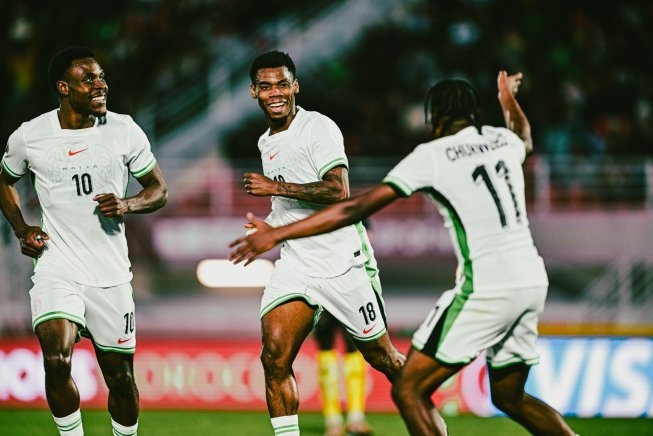
Raphael Onyedika, the Nigerian midfielder who completed the full match despite cramps, faced particular scrutiny following the match. The FC Ebedei product had recently returned from international duty with the Super Eagles, starting in the 2–1 win over Iran and playing for an hour in the 2–2 draw with Jordan. His visible discomfort on the pitch raised concerns about his physical condition, potentially linked to the demands of his double obligations to club and country.
The incident underscores the ongoing challenges for players who balance the rigors of international and club football. As football clubs navigate the complexities of player management, the tension between club managers and international coaches remains a critical issue. For Club Brugge, the playoff win was a significant achievement, but the post-match controversy added an extra layer of complication to their journey.
Looking ahead, the balance between supporting national teams and maintaining a club’s competitive edge continues to be a pressing topic in football. As teams and managers grapple with the physical and mental toll on players, the Club Brugge incident serves as a reminder of the delicate dynamics at play in the modern game. For Nigerian football fans, Raphael Onyedika’s performance and the broader implications of balancing club and international duties will likely remain topics of discussion.



Leave a Comment