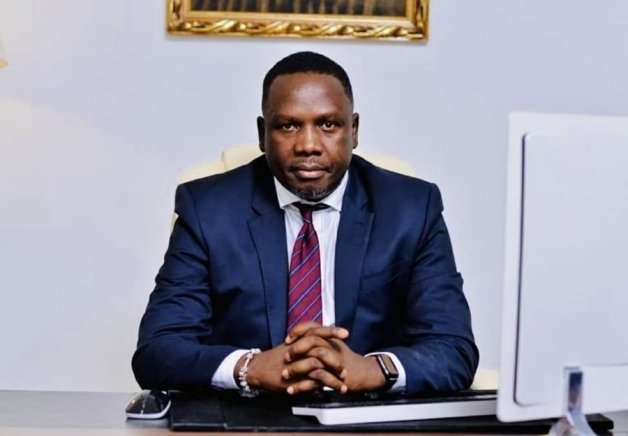
President Bola Tinubu’s Special Adviser on Media and Policy Communications, Daniel Bwala, has firmly rejected claims by the African Democratic Congress (ADC) presidential running mate, Rotimi Amaechi, that the President’s economic policies were responsible for his mother’s death. Speaking during a media engagement, Bwala dismissed the statement as false and part of a broader pattern of misinformation being spread by Amaechi’s camp. The controversy erupted after Amaechi made the remark during an appearance on Channels Television’s Politics Today, where he used strong language to challenge the credibility of the claim.
Bwala, who previously worked in the campaign team of former Vice President Atiku Abubakar, said Amaechi’s comments reflect a mix of populism, innuendo, and outright falsehoods. He noted that while Amaechi brings energy to the opposition coalition, his narrative is often misleading and lacks factual basis. “One of the falsehoods he peddled was that the economic policies of the President killed his mother,” Bwala stated. He added that even the so-called “madman” referenced by Peter Obi — a figure Obi once claimed advised him — would not believe such a claim.
The comment by Amaechi came amid growing political tensions ahead of the 2023 general elections, with various candidates and their allies intensifying attacks on each other’s platforms. Bwala’s response underscores the increasing role of media and communication strategies in shaping public perception during election campaigns. His remarks also highlight the sensitivity surrounding economic policy, especially as Nigerians continue to grapple with inflation, currency depreciation, and rising cost of living under Tinubu’s administration.
Amaechi’s assertion has drawn criticism from multiple quarters, with political analysts noting that it crosses ethical boundaries by using personal tragedy for political gain. The ADC candidate’s camp has yet to issue an official response to Bwala’s rebuttal. However, the incident has reignited debates about the ethics of political discourse in Nigeria, particularly when personal stories are invoked to discredit opponents.
As the election season heats up, both supporters and critics of President Tinubu will closely watch how these narratives evolve. The exchange between Bwala and Amaechi reflects a broader trend in Nigerian politics, where truth and rhetoric often collide. Moving forward, voters may increasingly demand accountability and verifiable information from all candidates, especially as economic concerns remain central to public discourse.
Leave a Comment