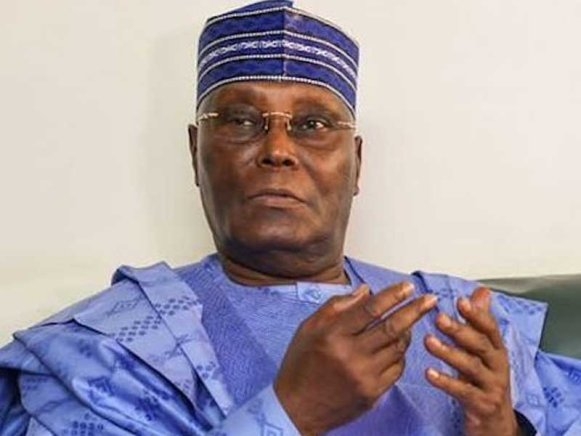
Atiku Abubakar, presidential candidate of the African Democratic Congress (ADC), has sharply criticized President Bola Tinubu’s economic policies, calling them a failure and highlighting the worsening hardship faced by Nigerians. In a statement issued through Phrank Shaibu, Director of Strategic Communications for the ADC Presidential Campaign Council, Atiku emphasized that ordinary citizens are struggling to meet basic needs despite government announcements on revenue and reforms. He pointed out that rising fuel, food, and transport costs have made daily survival increasingly difficult, especially for low-income families.
Atiku stressed that the contradiction between official narratives and lived realities is evident in assessments from international bodies. He cited a June 2026 report from the International Monetary Fund (IMF), which acknowledged improvements in Nigeria’s macroeconomic indicators but also noted that poverty remains severe. According to the IMF, 63 per cent of Nigerians live below the national poverty line, and approximately 27 million people faced food insecurity in the latter part of 2025. The fund further warned that escalating prices for essential goods could deepen poverty and hunger across the country.
Fuel prices have become a major burden, with petrol selling at around N1,400 per litre in Lagos and Abuja, and reaching as high as N1,500 in some northern states during September. Diesel prices have surpassed N2,000 per litre, placing additional strain on households and businesses. Atiku argued that the current economic model unfairly burdens the poor while those already financially secure continue to prosper. He questioned the fairness of a reform philosophy that demands more sacrifice from vulnerable populations without visible benefits.
“The philosophy of an economic reform cannot be that the poor surrender more and more while those already insulated from hardship become increasingly comfortable,” Atiku stated. He reminded Nigerians that promises of future gains after present sacrifices must now be evaluated. “After more than three years, they are entitled to ask: gain for whom?” he added, underscoring public frustration.
Atiku also highlighted the disconnect between policy announcements and everyday life. “A mother cannot feed her children with a government revenue announcement. A worker cannot pay transport fare with a speech about reform. Nigerians do not eat GDP figures, FAAC allocations or PowerPoint presentations. The numbers must eventually arrive at the dinner table.” His remarks reflect growing public discontent over economic mismanagement and unmet expectations.
As Nigeria enters a critical phase ahead of the next general elections, Atiku’s comments underscore the urgent need for inclusive economic policies that address the real challenges facing ordinary citizens. The coming months will likely see increased scrutiny of the administration’s economic strategy and its impact on the lives of millions.

Leave a Comment