Ebonyi: PDP Chieftain Accuses Gov Nwifuru’s Aides of Most Atrocities

Ebonyi: PDP Chieftain Accuses Gov Nwifurus Aides of Most Atrocities

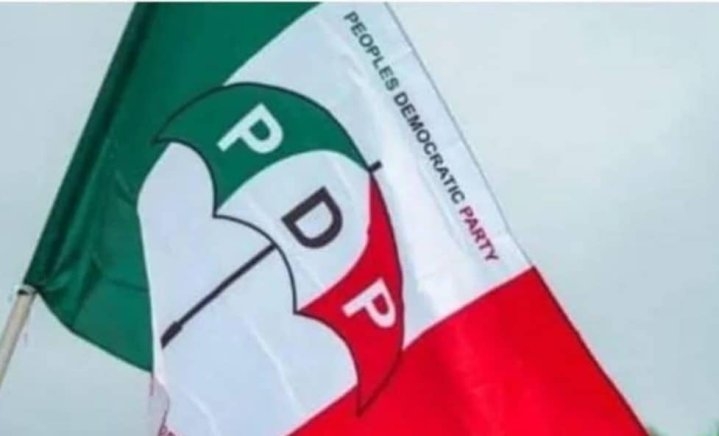
A chieftain of the Peoples Democratic Party (PDP) in Ebonyi State, Emmanuel Nwobo, has accused aides of Governor Francis Nwifuru of orchestrating widespread acts of violence and intimidation against opposition members in the state. Speaking during an interview on Arise Television’s ‘Morning Show’ on Tuesday, Nwobo alleged that these atrocities are being carried out with the tacit approval of the governor’s inner circle, raising serious concerns about governance and security in Ebonyi.

Nwobo highlighted a particularly violent incident where over 200 people attacked the home of a lawyer, an act he believes was coordinated by individuals working under the governor. He emphasized that such attacks are not isolated but part of a pattern aimed at silencing political dissent. “I don’t want to believe the governor is not aware of what is happening,” Nwobo stated, pointing to social media posts from suspected state operatives declaring that no opposition party will be allowed to operate freely in the state.

He further noted that despite multiple petitions submitted to security agencies, authorities have responded with little to no action. This lack of intervention, according to Nwobo, sends a dangerous message that political violence is tolerated or even encouraged. “They put it on social media saying no opposition party will be allowed in the state,” he said, adding that those responsible often celebrate their actions online, amplifying fear among political opponents.

The PDP chieftain stressed that while he does not wish to appear accusatory without concrete evidence, the frequency and nature of the attacks strongly suggest a coordinated effort by the governor’s allies. He called for urgent intervention by national security bodies and independent oversight institutions to investigate the allegations and ensure accountability. The situation, he warned, threatens democratic processes and public trust in leadership.

These claims come amid heightened political tensions ahead of upcoming elections, with opposition parties expressing growing alarm over the safety of their members and supporters. The federal government and electoral commission have been urged to monitor developments closely to prevent escalation. As Ebonyi State grapples with these challenges, the call for transparency and justice grows louder among civil society groups and political observers.

The unfolding crisis underscores the importance of protecting democratic space and ensuring that all citizens can participate in politics without fear. What happens next could set a precedent for how Nigeria handles political dissent in its states.