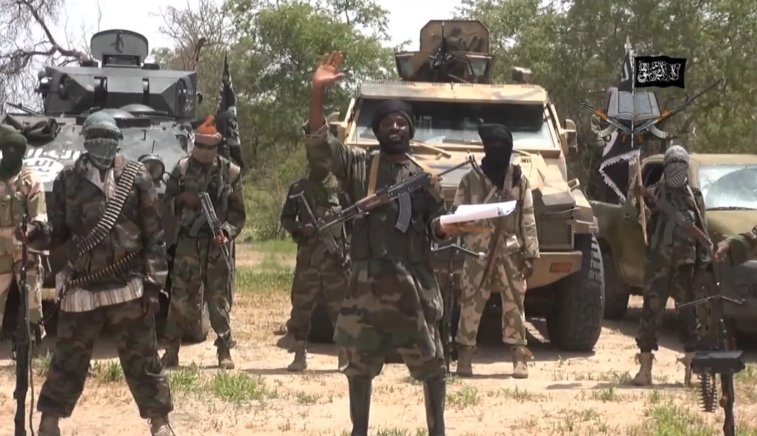
The ongoing conflict between Islamic State West Africa Province (ISWAP) and Jama’atu Ahlis Sunna Lidda’awati wal-Jihad (JAS), commonly known as Boko Haram, continues to shape the security landscape in Nigeria’s North-East, with both groups clashing repeatedly over territory, resources, and leadership. The rivalry, which began in 2016 when ISWAP split from Abubakar Shekau’s faction due to ideological and leadership disputes, has escalated into violent confrontations across key areas like the Sambisa Forest and Lake Chad Basin. Security analyst Zagazola Makama highlighted these developments in a recent report, underscoring how the internal feud is intensifying amid sustained military operations.
Since their split, ISWAP and JAS have fought for control of strategic hideouts, recruitment networks, and taxation routes in the region. The conflict reached a turning point in May 2021 when ISWAP launched a major offensive into the Sambisa Forest, where they cornered Shekau during a direct confrontation. According to Makama’s report, Shekau died after detonating an explosive device rather than surrendering to ISWAP fighters. His death marked a significant shift in the insurgency, as ISWAP absorbed many of his followers and expanded its influence.
However, not all JAS commanders accepted ISWAP’s authority. Several loyalists continued operating independently from remote enclaves in the Sambisa Forest and Mandara Mountains, maintaining a fragmented but persistent presence. Intelligence gathered in recent months indicates renewed tensions between the two factions, particularly over control of food supplies, local taxation systems, movement corridors, and the allegiance of surviving fighters. These struggles have led to frequent violent clashes, resulting in casualties on both sides.
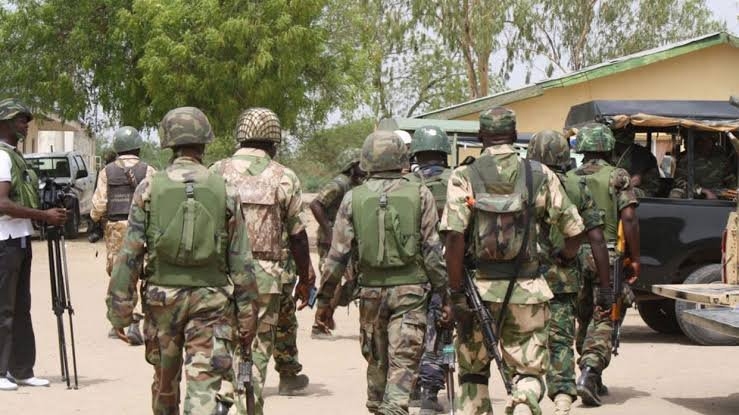
The shrinking territories under military pressure have intensified competition for dwindling resources and recruits. As Nigerian and multinational forces continue offensives across the North-East, both groups are forced into desperate battles to maintain relevance and operational capacity. This dynamic suggests that the insurgency is evolving not just in response to external threats, but also due to internal power struggles that complicate efforts at lasting peace.
Makama emphasized that the current phase of violence reflects deeper structural issues within the extremist movements, driven by competition for survival and dominance. With no clear resolution in sight, the rivalry between ISWAP and JAS remains a critical factor influencing instability in the region. The situation underscores the need for comprehensive strategies that address both external military pressure and internal fractures within the insurgent groups.



Leave a Comment