
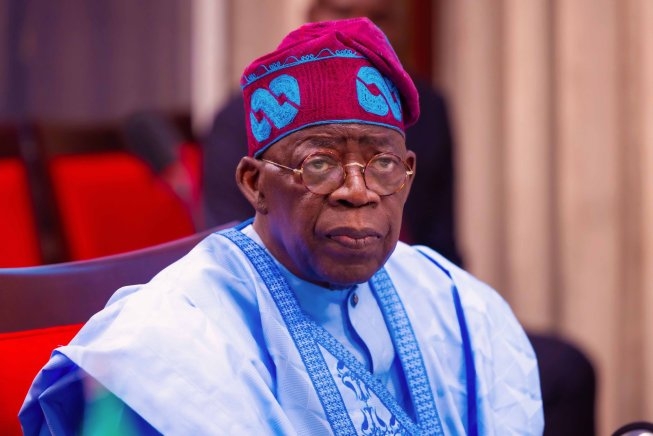
Human rights lawyer Maduabuchi Idam has strongly criticized President Bola Tinubu over his controversial remark that “all is fair in politics,” warning that the statement could encourage ballot rascality and political violence. The comment, made during a meeting with the Catholic Bishops Conference of Nigeria led by Cardinal John Onaiyekan, has sparked widespread concern among legal and civic leaders. Idam, a constitutional lawyer, argues that such rhetoric from the nation’s highest office sets a dangerous precedent for democratic conduct.
In a public statement, Idam described the president’s words as an open invitation to anarchy, intolerance, and hostility toward dissenting voices. He emphasized that when the leader of the country says “all is fair in politics,” it sends a message that hate speech, intimidation, and even violence may be acceptable in electoral contests. This, he warned, risks normalizing undemocratic behavior and undermining the principles of peaceful political competition.
Idam questioned how supporters of the president are expected to understand that violent or abusive tactics remain illegal when the head of state appears to condone them. He pointed out that if citizens hear such remarks from the presidency, they may feel justified in disregarding laws and norms that protect democracy. “How does such a supporter learn to accommodate opposing opinions without becoming combative after hearing those words from the nation’s highest office?” he asked.
The lawyer also drew a troubling comparison between Tinubu’s statement and his earlier controversial phrase, “snatch it, grab it and run away with it,” which critics have long associated with unethical political practices. He stressed that if “all is fair in politics” is truly the guiding principle, then politicians may exploit it to justify any means to win elections—regardless of consequences.
Idam further raised concerns about the rule of law, asking whether Nigerian society can remain habitable if leaders are allowed to make statements that appear to excuse criminal acts. He questioned whether the president’s words should be given a special interpretation not available to ordinary citizens. He referenced the case of Omoyele Sowore, whose comments led to criminal prosecution, and asked if the DSS should reconsider its actions against him if “all is fair in politics.”
He concluded that Nigeria’s democracy needs leadership that upholds civility, restraint, respect for dissent, and adherence to the rule of law—not rhetoric that could be interpreted as endorsing political lawlessness. As the 2027 general elections approach, the tone set by national leaders will play a crucial role in shaping the country’s political culture.




Leave a Comment