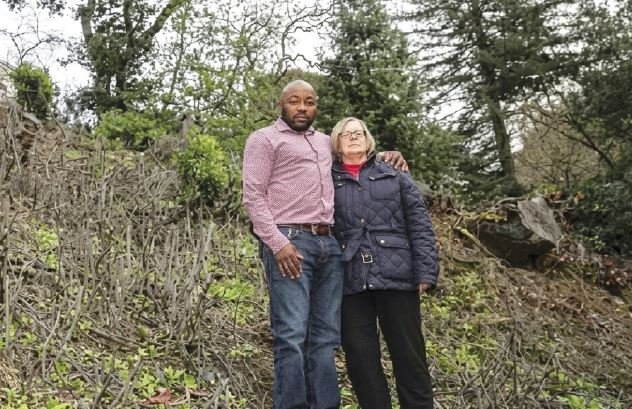
Residents who attended the public hearing stressed the importance of preserving tree canopies in the area. They argued that the trees play a critical role in wildfire prevention, public health, and environmental equity. The community’s concern reflects a broader push for urban sustainability and environmental justice in Oakland, where tree cover is seen as essential for climate resilience and neighborhood well-being. The case has drawn attention to how local regulations are enforced, especially when it involves high-profile individuals from the diaspora.
The story was first reported by Diaspora Tales last month, highlighting the couple’s defense that the tree removal was done under professional guidance. However, the city’s position remains firm, citing the legal protections in place for mature trees and the long-term environmental impact of their loss. The fine serves as a strong message about accountability and the consequences of violating environmental regulations, even for those with professional backgrounds.
This case underscores the growing emphasis on environmental stewardship in urban planning and governance. As cities like Oakland face increasing climate challenges, protecting green infrastructure has become a priority. The outcome of Bernard and Warner’s case may set a precedent for future enforcement actions, reinforcing the importance of adhering to local environmental laws. The decision also highlights the role of community advocacy in shaping urban policy and safeguarding natural resources for future generations.




Leave a Comment