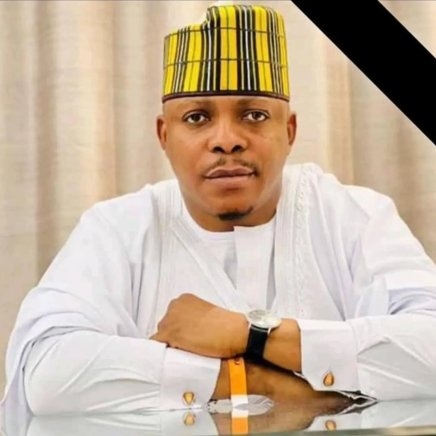
Austin Okai, a prominent chieftain of the African Democratic Congress (ADC), has publicly criticized the party’s presidential aspirants, Peter Obi and Rabiu Kwankwaso, for their silence following the Supreme Court’s ruling in favor of the David Mark-led leadership of the party. The apex court’s decision, delivered recently, resolved a protracted leadership crisis that had divided the ADC and sparked widespread protests. Despite the favorable verdict, Obi and Kwankwaso have remained quiet, prompting Okai to question their loyalty and enthusiasm for the party’s victory.
In a post shared on his official Facebook page, Okai expressed disbelief at the duo’s lack of reaction, especially after their own involvement in the protests against the Mark-led leadership. He wrote, “After all the protests—and just 48 hours after David Mark and the ADC’s Supreme Court victory—Obi and Kwankwaso have still refused to say a word.” His comment carried a tone of disappointment, as he questioned whether they were truly happy that their own party had won the case they had previously contested. “Are they not happy that their own party won the same case they were protesting? They could have at least pretended a little. Haba!” he added, using the Nigerian expression to emphasize his frustration.
The Supreme Court’s ruling reinstated David Mark and his faction as the legitimate leadership of the ADC, effectively ending a months-long legal battle that had paralyzed the party’s operations. Other top figures within the party, including former Vice President Atiku Abubakar, have already welcomed the decision, signaling a return to stability. However, the silence from Obi and Kwankwaso has raised eyebrows among party members and political observers, who see it as a sign of deeper discontent.
Rumors have been circulating that Obi and Kwankwaso may be planning to leave the ADC and join the Nigerian Democratic Congress (NDC) ahead of the 2027 general elections. This speculation gained traction after reports surfaced that Hon. Kabiru Adamu Abdullahi, a key figure in the Kwankwasiyya movement in Dala Local Government Area of Kano State, resigned from the ADC on Kwankwaso’s directive. His departure is seen as a potential indicator of broader realignment within the party’s ranks.
The ADC’s leadership crisis has had significant implications for its political positioning, especially as Nigeria prepares for the next electoral cycle. The court’s decision may bring temporary relief, but the continued silence from its high-profile aspirants suggests internal fractures that could affect the party’s unity and electoral prospects. As the political landscape continues to evolve, the ADC’s ability to consolidate its leadership and retain key figures will be crucial to its future success.



Leave a Comment