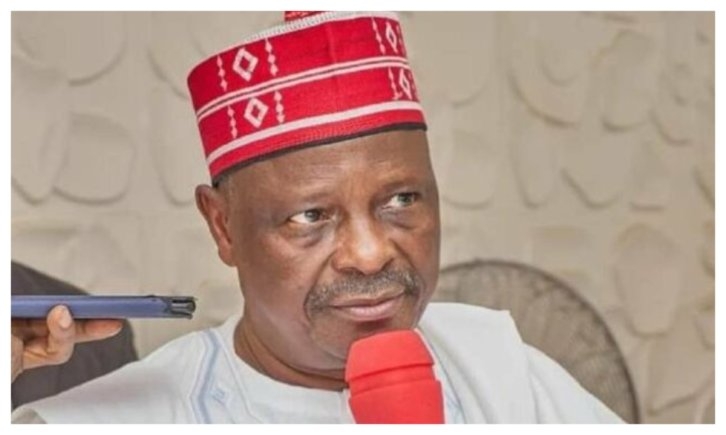
Hon. Kabiru Adamu Abdullahi, a prominent figure in the Kwankwasiyya movement in Dala Local Government Area of Kano State, has officially resigned from the All Democratic Congress (ADC), citing a directive from the movement’s leader, Senator Rabiu Musa Kwankwaso. The resignation, which took effect immediately, was communicated through a formal letter dated May 1, 2026, addressed to the ADC chairman in Kofar Ruwa Ward. Abdullahi, who is also a candidate seeking election to the Kano State House of Assembly, made the announcement public via his Facebook page, where he shared the letter and explained his decision.
In the resignation letter, Abdullahi expressed gratitude for the opportunity to serve within the ADC and extended well wishes to the party leadership and members. He stated, “I hereby formally resign my membership of All Democratic Congress (ADC) at Kofar Ruwa Ward with immediate effect.” He also requested that the party leadership formally acknowledge his resignation and communicate it to the relevant authorities. The tone of the letter was respectful and professional, reflecting his appreciation for the time spent with the party.
Abdullahi’s departure from the ADC is significant given his standing as one of the key Kwankwasiyya leaders in Dala. His decision to leave the party was not made independently but was directly linked to instructions from Senator Kwankwaso, whom his followers often refer to as “Jagora.” In a separate Facebook post, Abdullahi confirmed this, writing, “This is the order of Jagora,” underscoring the influence of the movement’s leader over its members’ political affiliations.
The Kwankwasiyya movement, which has long been a political force in northern Nigeria, has seen several of its members switch parties in recent years, often in alignment with Kwankwaso’s strategic direction. Abdullahi’s resignation from the ADC adds to this pattern, reinforcing the movement’s ability to shape political allegiances within Kano and beyond. His move is likely to have implications for the upcoming state elections, particularly in Dala Local Government Area, where his candidacy and political influence could sway voter sentiment.
As Abdullahi steps away from the ADC, speculation grows about his next political move. Given his alignment with Kwankwaso, it is expected that he may join or support another party under the Kwankwasiyya umbrella, possibly the New Nigeria People’s Party (NNPP) or another platform aligned with the movement’s goals. His decision highlights the ongoing dynamics of party politics in Kano, where loyalty to movement leaders often outweighs party loyalty.
This development underscores the continued influence of Senator Kwankwaso in northern Nigerian politics, particularly in Kano State, where his directives continue to shape the political landscape. As the 2027 elections draw closer, Abdullahi’s resignation may signal a broader realignment within the region’s political structure.


Leave a Comment