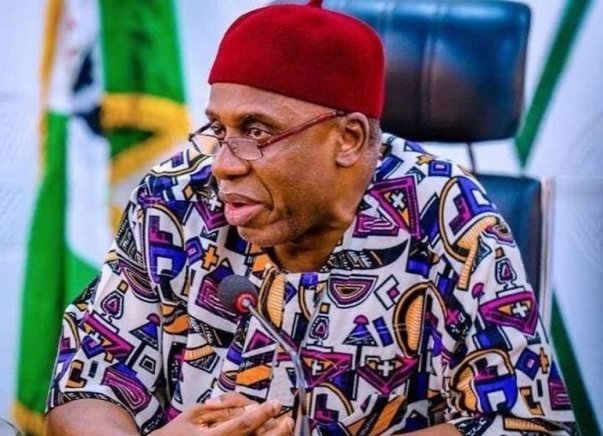
Former Minister of Transportation, Rotimi Amaechi, has issued a strong warning to former Vice President Atiku Abubakar, stating that if Atiku claims his only qualification to contest the 2027 presidential election is his northern origin, then only voters from the North should support him. Amaechi made the remark during an interview with Channels Television on Friday, emphasizing that regional or ethnic identity should not be the primary basis for leadership in Nigeria. He argued that leadership qualifications must be rooted in competence, vision, and national interest, not geography or ethnicity.
Amaechi’s comments came in response to Atiku’s recent statement, in which he suggested that northerners have not been adequately represented in Nigeria’s political leadership. While Atiku did not explicitly state that his northern background is his sole qualification, Amaechi interpreted the remark as a subtle appeal to regional identity for political gain. The former transportation minister rejected this approach, urging Nigerians to focus on candidates’ policies, experience, and ability to unite the country rather than their ethnic or regional affiliations.
“If Atiku Abubakar is saying that the only qualification he has is because he is from the north, then it means that on the election day, the North will vote for him and the South will not vote for him, that is what it means,” Amaechi stated clearly. He added that for him, regional origin does not define leadership potential. “For me, it does not matter whether you are from the North or South. There are other factors that play important roles,” he emphasized, pointing to character, integrity, and capacity to deliver as more critical determinants.
The exchange highlights the growing tension around ethnic and regional politics in Nigeria’s upcoming 2027 presidential race. As political campaigns begin to take shape, figures like Amaechi and Atiku are already setting the tone for the kind of discourse that will dominate the election season. Amaechi’s stance reflects a broader call for unity and merit-based leadership, urging candidates to appeal to all Nigerians rather than specific regions.
His remarks also underscore the sensitivity surrounding regional representation in Nigeria’s political landscape. While Atiku’s comments may have been intended to highlight historical underrepresentation, Amaechi’s response frames it as a potential risk to national cohesion. As Nigeria prepares for another presidential election, the debate over identity, equity, and leadership will likely intensify, shaping public opinion and voter behavior.
The 2027 election is expected to be one of the most competitive in Nigeria’s history, with multiple aspirants from different regions vying for the highest office. Amaechi’s words serve as a reminder that the nation’s future depends not just on who runs, but on how they run — and whether they appeal to the collective interest of all Nigerians, not just one region. The coming years will test whether political leaders can rise above ethnic divisions and focus on inclusive, transformative governance.



Leave a Comment