APC Rejects One Party Allegation, Calls It Emotion-Driven, Not Fact-Based

APC Rejects One Party Allegation, Calls It Emotion-Driven, Not Fact-Based

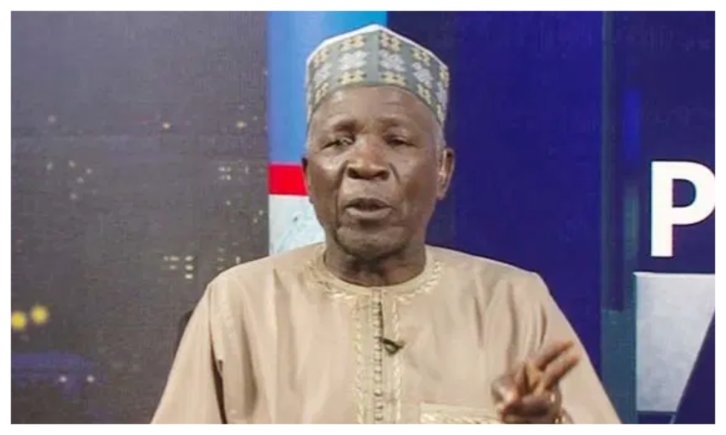
The All Progressives Congress (APC) has firmly rejected allegations that Nigeria is moving toward a one-party state, asserting that the country remains a robust multi-party democracy with active political pluralism. In a statement made on Wednesday during a media interview on Arise TV, the party’s National Secretary, Surajudeen Ajibola Basiru, emphasized that Nigeria’s political landscape continues to reflect democratic principles and institutional strength. He pointed out that with approximately 200 million people, the APC remains the largest political organization, but this does not equate to dominance over the democratic system.

Basiru stressed that democratic governance requires respect for institutions and evidence-based discourse, warning against unfounded accusations that undermine public trust in the judiciary and democratic processes. He highlighted the vibrancy of Nigeria’s media environment, noting that daily editorials and talk shows consistently critique government actions, which demonstrates the freedom of speech and expression guaranteed under the constitution. “One of the key features of democracy is the diversity of ideas and the freedom for people to speak without fear,” he said, underscoring the active role of the press in holding power accountable.

According to Basiru, Nigeria currently has at least 19 registered political parties, a figure that directly contradicts claims of one-party rule. He noted that only a small number of parties—fewer than five—have raised concerns about political marginalization, which he argued is insufficient to justify broader claims of systemic suppression. The APC official reiterated that the party’s focus remains on strengthening its internal structures and expanding grassroots engagement across the country.

He emphasized that the APC’s mission is to build a truly pan-Nigerian political party that resonates with ordinary citizens and aligns with President Bola Tinubu’s Renewed Hope Agenda. Basiru dismissed what he described as emotional outcries from critics who lack factual grounding, urging them to engage constructively rather than resort to political accusations. “The job of the APC is very clear,” he said. “We intend to build a party that articulates policies and programmes in line with national development goals.”

The APC’s stance comes amid ongoing debates about political inclusivity and representation in Nigeria’s democratic framework. As the country prepares for future elections, the party’s emphasis on institutional integrity and grassroots mobilization will likely remain central to its strategy. The continued existence of multiple political parties and a free media environment suggests that Nigeria’s democratic space remains open, even as political tensions persist. Moving forward, the APC’s ability to maintain unity and expand its reach will be closely watched by analysts and citizens alike.